Dog Pulling on Lead? Why Heel Isn't the Answer
"How do I stop my dog pulling on lead?" It's one of the questions I'm asked most.
One of the worst things we do is assume a dog knows they shouldn't pull but does it anyway. Dogs don't pull on purpose.
They pull because they've never been taught not to, because pulling gets them somewhere interesting, because they're stressed or over aroused, because the walk is the only time they get to sniff and explore, or simply because they walk at a different pace to us. They weren't born on a collar and lead, which means they weren't born trained either.
When your dog pulls there's always a reason, and I promise you it's much closer to how they feel than a dog who knows they're causing you problems and does it anyway.
Then along comes the old-fashioned answer.
'Make them walk to heel.Yank them back, tell them off, put something tight on their neck and drill them until they stay glued to your leg.' Learn exactly why these should not be used here.
It might look tidy from the outside. But a dog walking to heel while they feel worried, overwhelmed or frustrated hasn't stopped feeling that way. They've just learned that showing it gets them hurt.
Heel Despite How They Feel Isn't Fair
Asking a dog to walk perfectly to heel without considering how they feel is like asking a frightened person to smile politely through something that scares them. A dog pulling on lead is often communicating.
A dog straining towards a smell is telling us they need to sniff. A dog pulling away from a busy road is telling us they're scared.
A dog charging ahead after a long day at home is telling us their needs aren't being met. When we correct that, we don't change the feeling, we just silence the expression of it. And silenced dogs don't stop feeling. They stop showing us, which means we lose the very information we need to help them.
A dog who has been dragged back and shouted at will often want to get as far away from the dragging and shouting as possible, so they pull harder.
The guardians with the happiest, most expressive dogs are the ones who listen to what pulling is telling them rather than shutting it down.
Our dogs are not our enemy.
They are our friend and, if they're lucky enough to be with a half-awake guardian, also our family. They deserve to have their feelings considered before their position on the lead.
Start With How Your Dog Feels
So what do we do instead? We start with how they feel. Are their natural needs being met through scentwork, foraging, enrichment and play? Here's some scentwork ideas.
Is the walk itself stressful, with triggers, tight leads or bad memories attached to it? If so, we work on safety first.
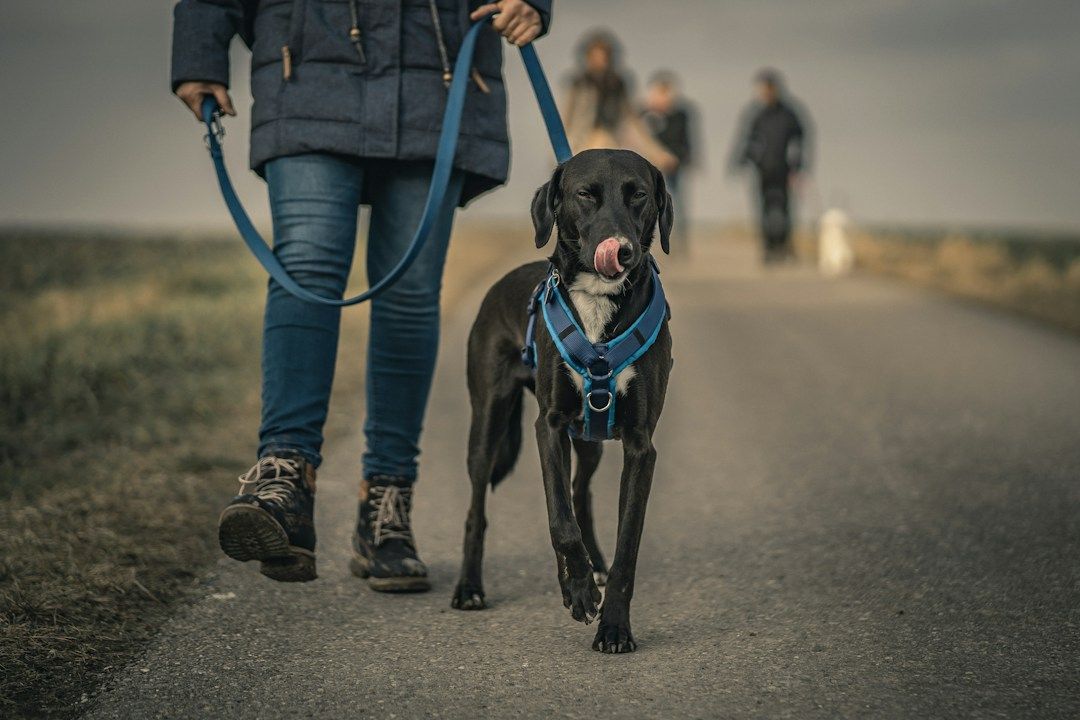
Once they feel calmer, we teach loose lead somewhere quiet, like the garden, outside the situation we want to see it in. A comfortable two point contact harness with a double ended lead, tiny treats, lots of direction changes and a reward every time the lead goes slack.
Eight to ten minutes is plenty, then finish with praise and play. Build slowly to quiet walks, then busier ones, at your dog's learning pace. Let them sniff, let them stop, let them be a dog.
A loose lead isn't about a dog glued to your leg. It's about a dog who chooses to stay close because being close to you feels good. None of this is complex, and it's so much kinder than forcing compliance.
Our dogs only have us. Let's be worthy of them.