Five Simple Indoor Scent Games to Settle Your Dog
When your dog is restless, anxious, or bouncing off the walls, the answer often isn't more physical exercise.
Sometimes, what they need is something that engages their seeking system and helps them regulate. Something that slows them down instead of revving them up.
Scent games do exactly that.
They're not complicated. You don't need special equipment or training. You just need your dog's nose and a willingness to let them use it.
Here are five indoor scent games that settle dogs quickly.
Why Scent Games Settle Dogs
Before we get to the games, here's why this works.
When dogs use their noses, they activate their seeking system - the part of the brain that feels rewarding and satisfying. It's the opposite of the panic or frustration system.
Seeking feels good. It creates focus without pressure.
Sniffing also downregulates the nervous system. The physical act of lowering their head and breathing deeply activates the parasympathetic nervous system - the rest-and-digest state.
Heart rate slows. Tension releases. The whole body settles.
This is why anxious dogs benefit so much from scentwork. It's not just distraction. It's genuine nervous system regulation.
And you can start right now, in your living room, with things you already have.
Game 1: Scatter Feeding
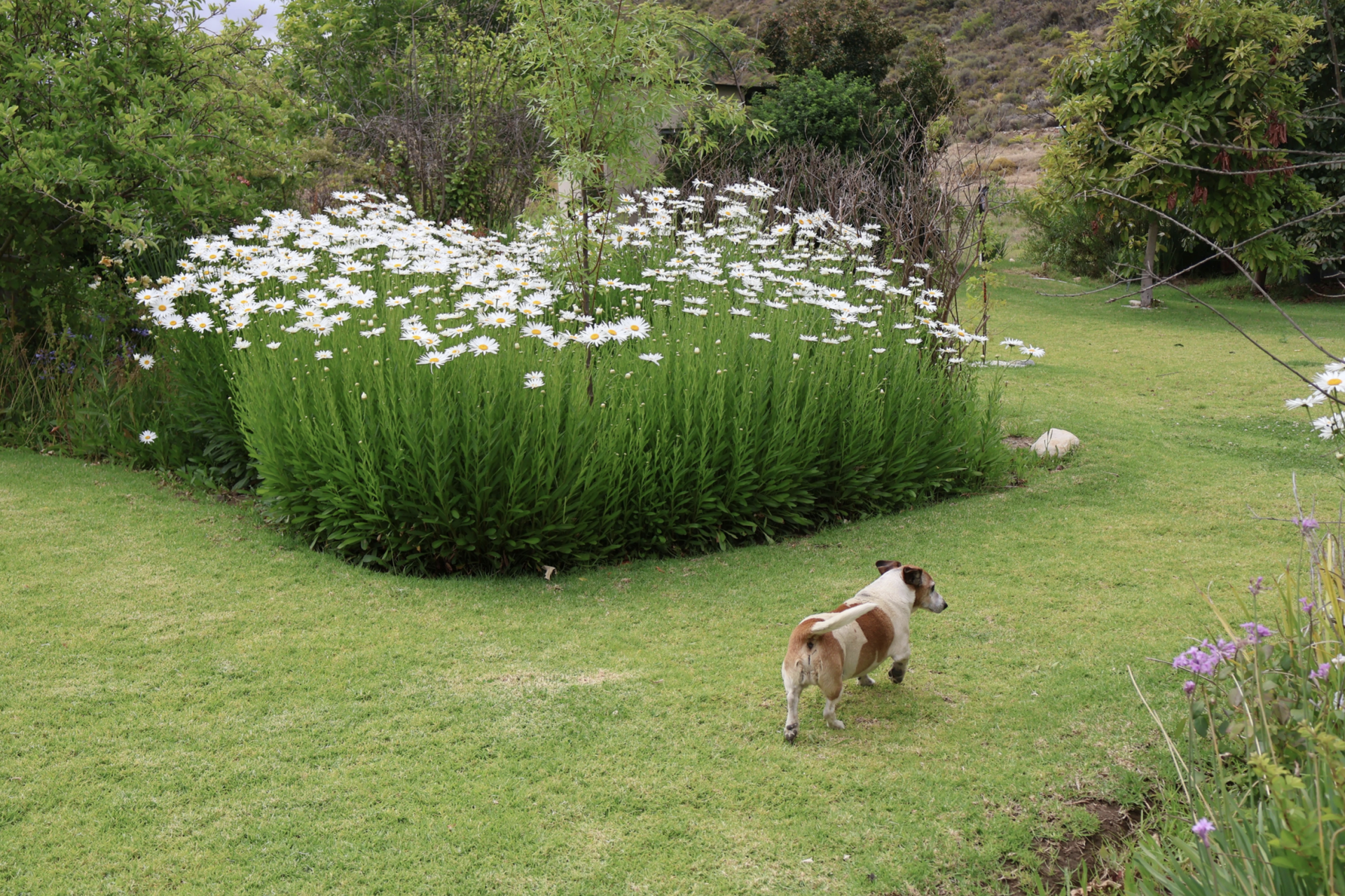
This is the simplest game, and it's remarkably effective.
Take your dog's meal (or part of it) and scatter it across the floor, in the grass, or across a room. Let them search for each piece.
Why it works: Scatter feeding slows dogs down. Instead of gulping food in ten seconds, they spend ten minutes searching. That searching activates the seeking system and keeps them in a calm, focused state.
Foxy gets scatter fed most evenings. She's bold and food-motivated, but she's also a worrier. Scatter feeding gives her something rewarding to do that doesn't spike her arousal. She settles beautifully afterward.
How to start: Use kibble or treats. Start in a small area so they build confidence finding things easily. Gradually make it harder by spreading food over larger areas or hiding pieces under towels or behind furniture legs.
Game 2: Towel Rolls
Take a towel, sprinkle treats along it, and roll it up loosely. Let your dog unroll it with their nose and paws to find the food.
Why it works: This game requires problem-solving without pressure. Dogs can go at their own pace. There's no wrong way to do it. The combination of sniffing and gentle physical manipulation keeps them engaged but calm. If your dog is sensitive to pressure learn more about that in my mini course here.
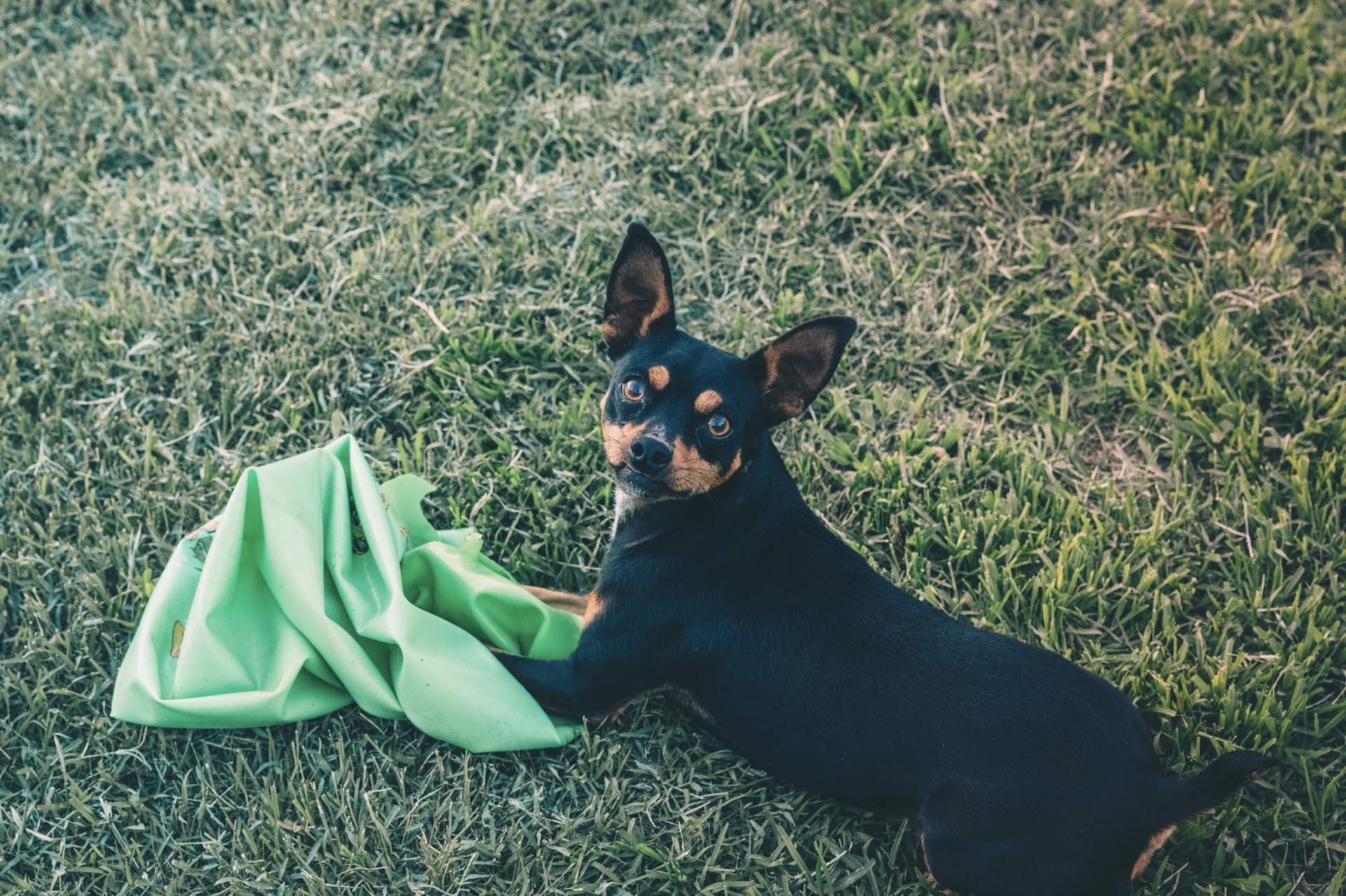
Darcie loves towel rolls because there's no pressure to perform. She can take her time, work it out herself, and succeed every time.
How to start: Roll the towel loosely at first. As your dog gets confident, you can roll it tighter or fold it into different shapes. You can also tie loose knots in the towel with treats inside.
Game 3: The Muffin Tin Game
Place treats in the cups of a muffin tin, then cover each cup with a tennis ball (or crumpled paper, or small towels). Your dog has to remove the covers to get to the food.
Why it works: This game combines scent work with gentle problem-solving. Dogs have to think, but the solution is always achievable. The success builds confidence. The sniffing settles the nervous system.
How to start: Use a muffin tin with six cups. Put treats in half the cups at first, so your dog experiences success quickly. As they get the hang of it, you can use all the cups or vary which ones contain food.
If you don't have a muffin tin, use small bowls or cups turned upside down.
Game 4: Box Searches
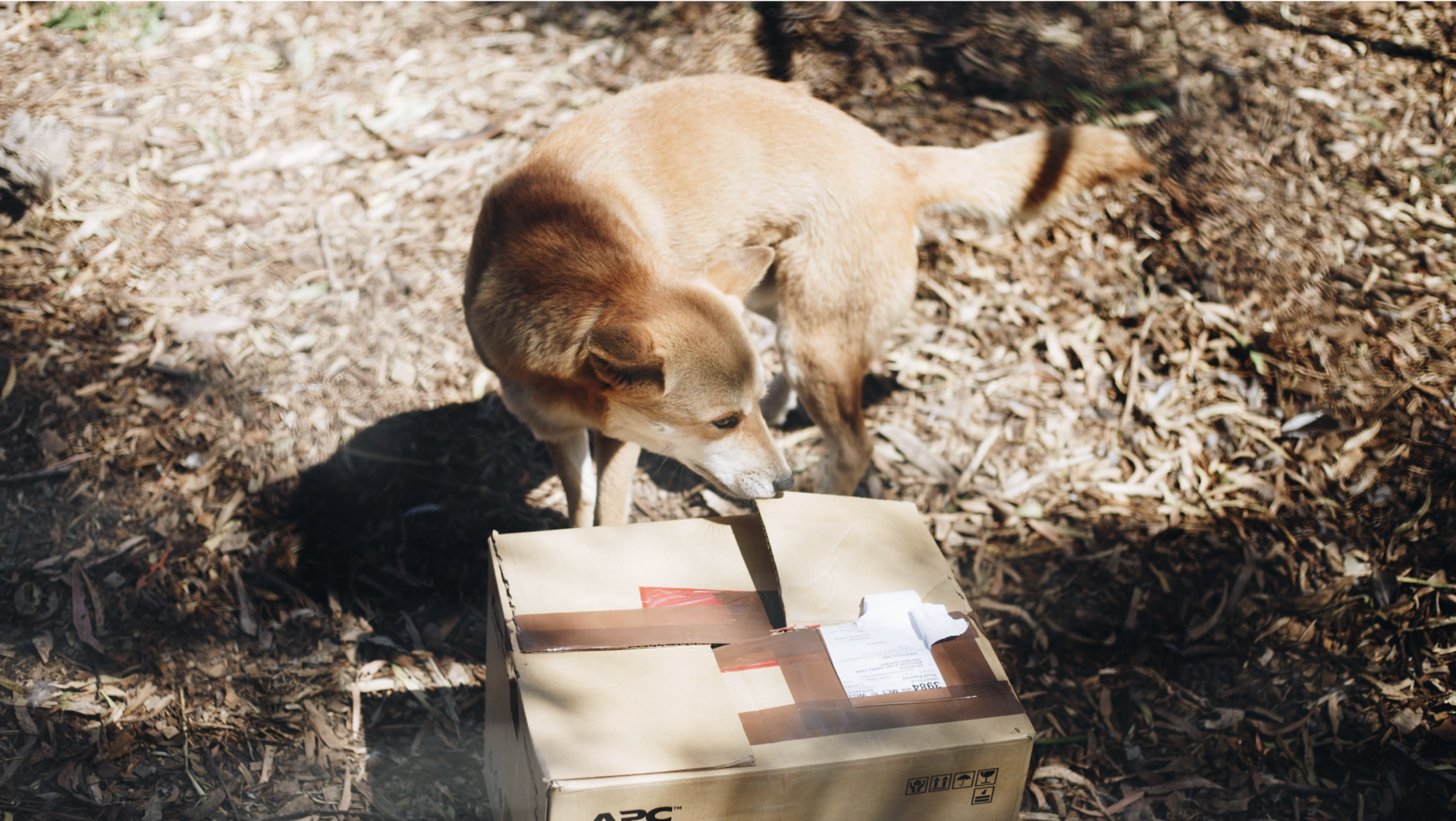
Fill a cardboard box with crumpled paper, old towels, or scrunched-up newspaper. Hide treats throughout. Let your dog dig through and search.
Why it works: This game gives dogs permission to use natural foraging behaviors - sniffing, digging, manipulating objects. It's deeply satisfying. The physical activity of digging through paper is repetitive and calming, not arousing.
Holly was a shut-down rescue dog when she arrived.
Box searches were one of the first things that helped her come out of her shell. There was no pressure, no interaction with me, just the joy of searching. She could engage on her own terms.
How to start: Use a shallow box at first so it's not overwhelming. Add treats liberally so success comes easily. As your dog gains confidence, use deeper boxes or add more layers of material to search through.
Game 5: Find It Around the Room
Hide treats around a room while your dog waits (or isn't looking). Release them with a cue like "find it" and let them search.
Why it works: This game builds duration and focus. Dogs have to concentrate, scan the environment, and work methodically. It's mentally tiring in the best way. They settle afterward because they've genuinely worked.
Chips loved this game even when his pain was at its worst. He could go slowly, at his own pace, and the searching gave him something positive to focus on.
How to start: Hide treats in obvious places at first - on the edge of the sofa, next to a chair leg, on a step. Make them easy to find. Success builds confidence.
As your dog improves, hide treats in harder spots - under the edge of a rug, behind a plant pot, tucked into furniture crevices.
Watch Your Dog
The idea with this kind of scentwork is that it's challenging but also doable for your dog. It takes them out of their comfort zone enough to enrich their life, but isn't overwhelming.
If you need to help them do it, but don't take away their opportunity to succeed on their own either.
These little exercises will truly enhance your dog's life, and calm them, make them more settled and confident, you're creating glimmers.
If you have enjoyed this taster of scentwork, take a look at the courses below.