
Glimmers: The Overlooked Moments That Matter For Reactive Dogs
We talk a lot about triggers don't we. Some dogs get stressed by new people, others by dogs, some by sounds and so on. But often we overlook glimmers. Knowing your dog's glimmers will make their life easier and your life easier too.
They both matter equally and if you are going to look after your dog's welfare from a state of true awareness and knowledge, we can focus on balancing triggers and glimmers, in fact we should.
What Dog Glimmers Actually Are
The concept of glimmers comes from trauma therapy. Triggers activate our fear response, send us into fight or flight, make us feel unsafe. Glimmers are the opposite.
Glimmers are the small moments when we feel safe, the times the vagus nerve goes into balance.
When something good happens, we experience connection or when we notice something that brings peace, even briefly.
For dogs, glimmers are those moments when their nervous system shifts out of threat mode and into connection. They move out of their fear emotional system.
For dogs, glimmers are those moments when their nervous system shifts out of threat mode and into connection. They move out of their fear emotional system.
Your dog has been tense on a walk, then suddenly relaxes when they catch an interesting scent. That's a glimmer.
A reactive dog who's been vigilant notices a leaf blowing past and becomes curious rather than alarmed. Glimmer.
An anxious dog who struggles to settle stretches out fully for the first time in days. Another glimmer.
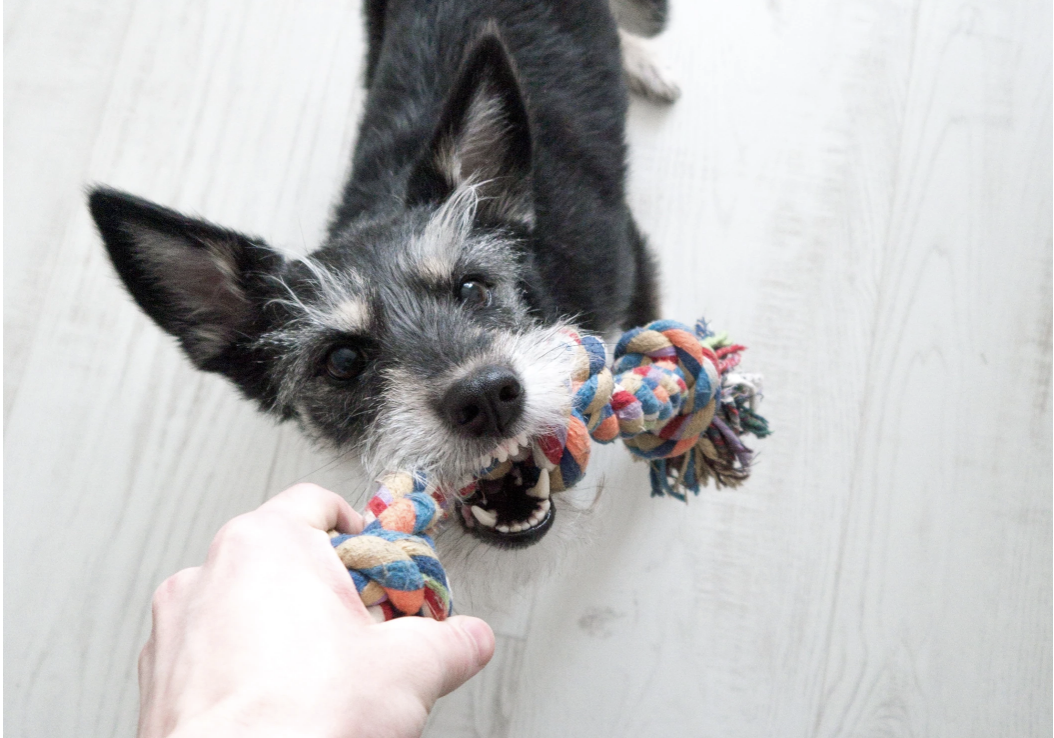
Playing is a glimmer
Why We Miss Glimmers
When you're managing a reactive or anxious dog, you become hypervigilant yourself. You're scanning for threats. Watching for triggers. Anticipating problems. Ready to intervene. Because setbacks are distressing for everyone. Here's how to get over them when they happen.
This vigilance is necessary. But it means we often miss the glimmers.
We're so focused on preventing bad moments that we don't notice the good ones. The brief tail wag. The soft eyes. The relaxed mouth. The moment they investigate something with curiosity rather than fear. Those are the experience we can use to create more safety, more connection.
But let's face it, these moments don't demand attention the way reactivity does.
Yet they're telling us something important about our dog's capacity for safety. About what helps. About when their nervous system can settle, even briefly. You can learn more about canine communication here.
What Glimmers Look Like
Glimmers are individual. What registers as a moment of safety for one dog might mean nothing to another. But there are common signs.
- Body language shifts, even briefly. Ears soften. Tail position changes. Muscle tension releases. The dog takes a full breath rather than shallow stress breathing.
- Interest and curiosity. The dog notices something and moves toward it with soft body language. They investigate. They engage with their environment from curiosity rather than threat assessment.
- Check-ins. The dog looks at you with soft eyes. Not the hard stare of "I need help now" but the relaxed glance of connection.
- Spontaneous play behaviour, even for a second. A play bow. A bounce. Grabbing a toy. These don't emerge from a stressed nervous system.
- Settling behaviours. The dog chooses to lie down. They stretch out rather than staying curled. They sigh. Their breathing slows.
- Recovery from stress. After something mildly stressful, the dog shakes it off and moves on quickly. This resilience is a form of glimmer.
These are all moments when your dog's nervous system is experiencing safety rather than threat.
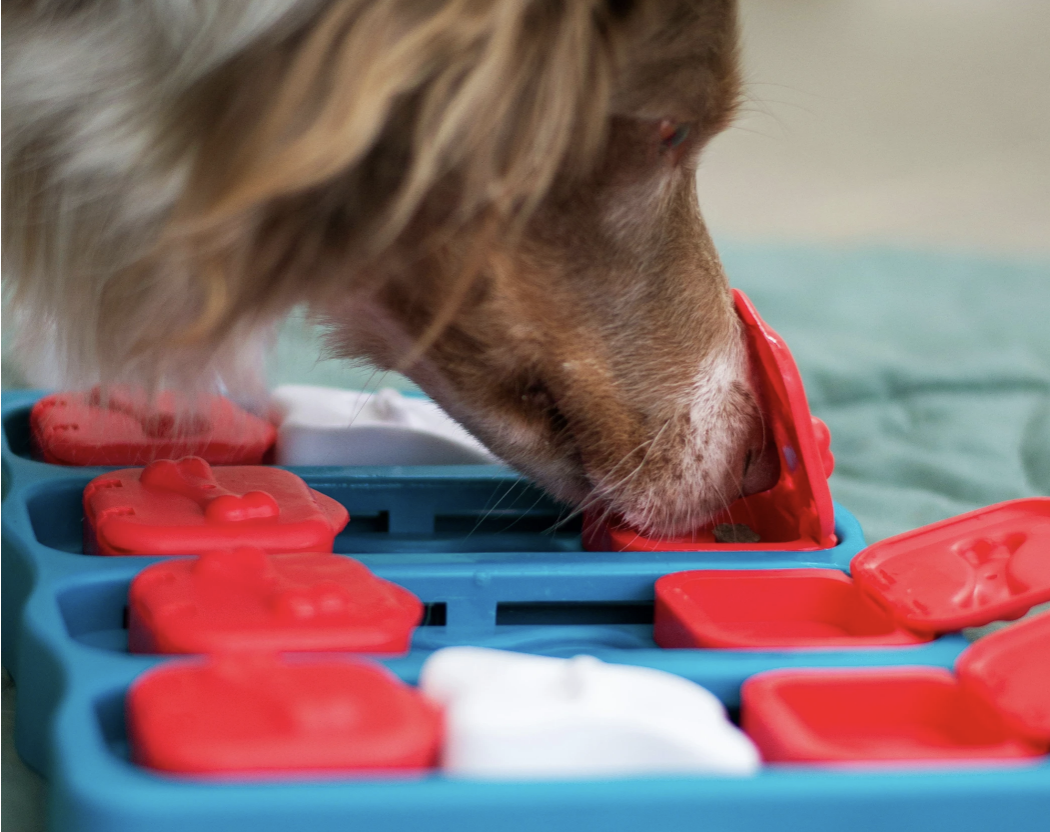
Relaxed puzzling creates glimmers
Why Dog Glimmers Matter
You can't heal a nervous system only by avoiding triggers.
Management is essential. Distance is essential. Keeping your dog under threshold matters. But if all we do is avoid the bad, we're not creating opportunities for the good.
The nervous system needs to practise safety. It needs experiences of calm, of peace, of things being okay.
Glimmers are how that practice happens.
Every time your dog experiences a glimmer, something changes in their brain.
Neural pathways associated with safety get a bit stronger. The nervous system learns that the world holds moments of peace alongside moments of threat.
How to Notice Glimmers
Learning to see glimmers requires intentional attention, particularly when you've spent so long focused on managing triggers.
Start by watching your dog when they're most relaxed. At home, in their safe space, during calmer times of day. What does their face look like? Their body? Their breathing? This becomes your reference point.
Notice micro-changes during challenging situations. On walks, in training, when visitors arrive. Even if your dog is generally tense, are there micro-moments when something shifts? A half-second of softer eyes? A brief tail wag that's not stiff?
Pay attention to recovery time. How quickly does your dog return to baseline after stress? Faster recovery is progress.
Watch for curiosity. When does your dog investigate something without vigilance? When do they engage with their environment from interest rather than threat assessment?
Notice your dog's relationship with you. When do they seek connection? When do they check in? When do they show you trust through soft, relaxed proximity?
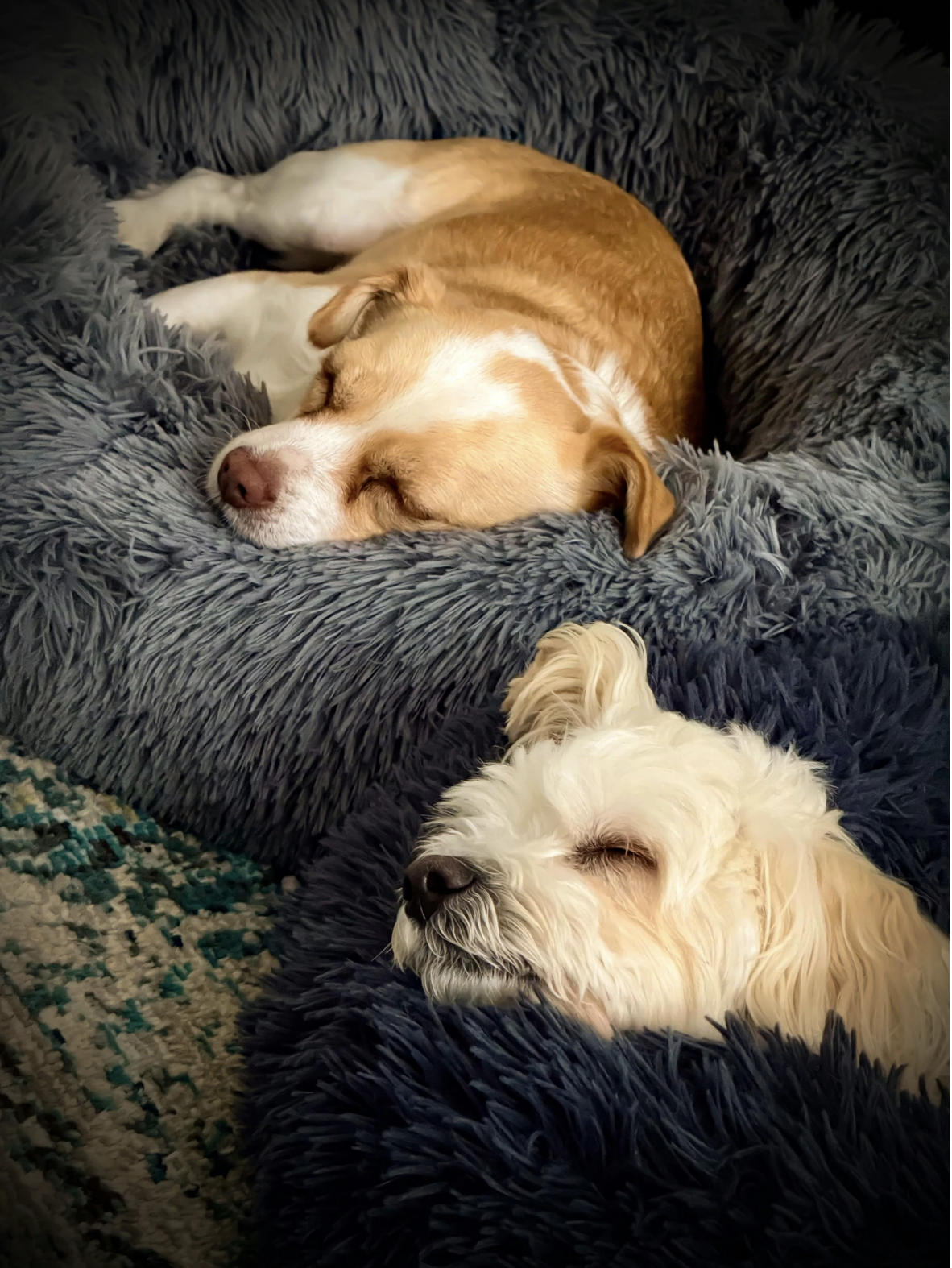
Relaxed connection is a glimmer
What to Do With Glimmers
When you notice a glimmer, you don't need to do anything dramatic.
You can simply acknowledge it, mark it internally so that you remember it. This trains you to notice them more, and it provides evidence of progress when you're feeling discouraged.
You can work to create more opportunities for glimmers. Not forcing anything. Just removing barriers to moments of ease.
If your dog has glimmers during scentwork, do more scentwork. > Learn that here.
If they glimmer in certain environments, go there more. If particular activities or times of day produce more moments of ease, structure your life to include those things.
This is the opposite of trigger management, which is about avoiding things that make your dog struggle. This is glimmer cultivation, seeking the things that help your dog feel safe.
Distance from triggers gives your dog capacity. Proximity to glimmers gives them experiences of using that capacity for something other than survival.
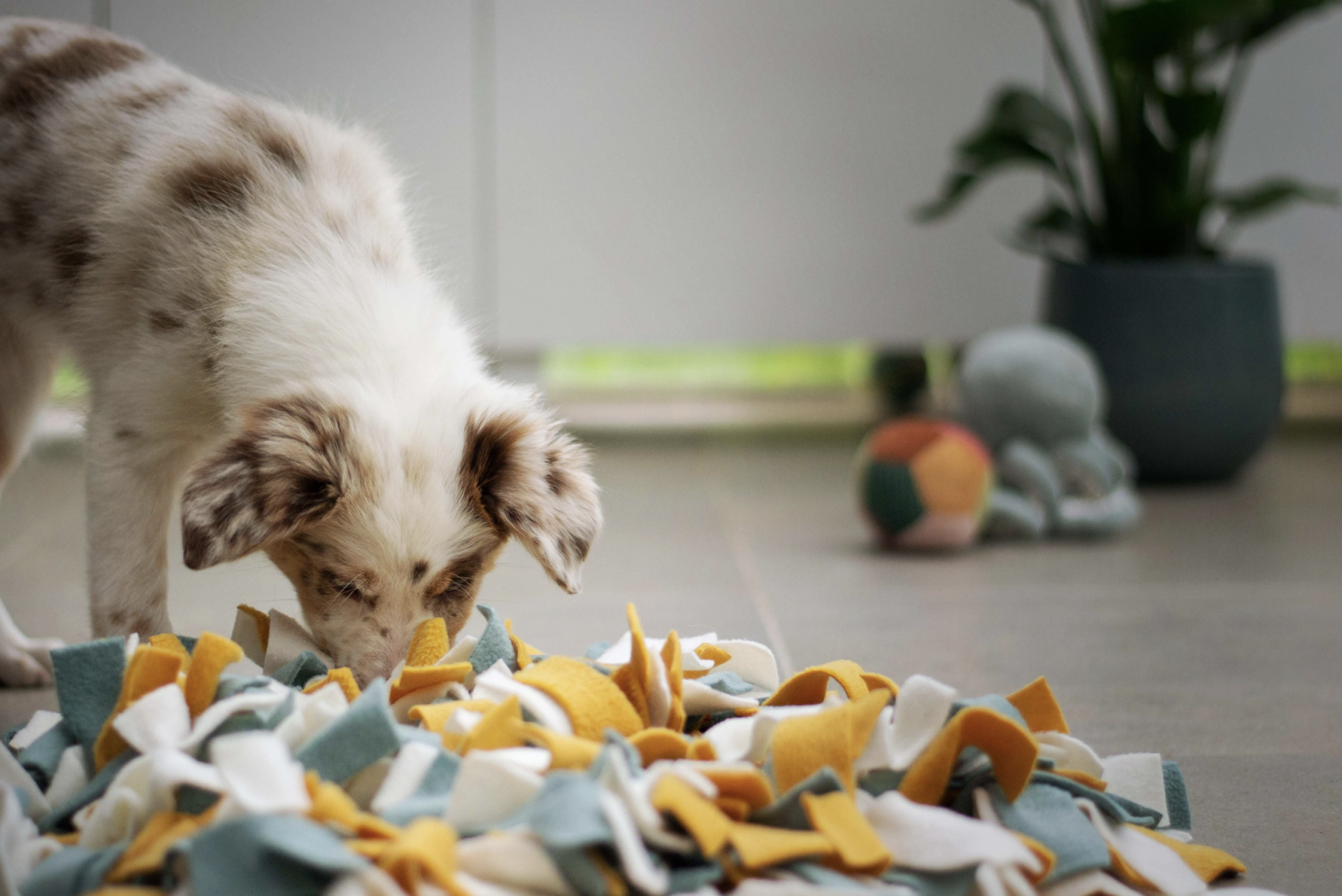
Snuffle Rug Glimmer
The Accumulation Effect
Glimmers won't cure reactivity or eliminate anxiety all on their own. They won't fix trauma or chronic pain or nervous system disregulation, not without other work.
But they accumulate.
One glimmer means very little. A hundred glimmers create a change to your dog's baseline. A thousand glimmers change how a nervous system functions.
Every glimmer is a moment of practice. Every time your dog's nervous system experiences safety, it gets slightly better at accessing that state. Neural pathways strengthen. Capacity grows. Baseline shifts, incrementally.
This is slow work. Progress measured in barely noticeable changes. Slightly faster recovery. Marginally more moments of ease. Fractionally lower baseline stress.
But these barely noticeable changes are the substance of healing.
Darcie has been with me long enough now that I can see it. She still struggles. She's still pressure-sensitive and easily overwhelmed. But her glimmers are more frequent. They last longer. She recovers faster from stress.
She really likes bed, and getting under the covers, that's a huge glimmer for her.
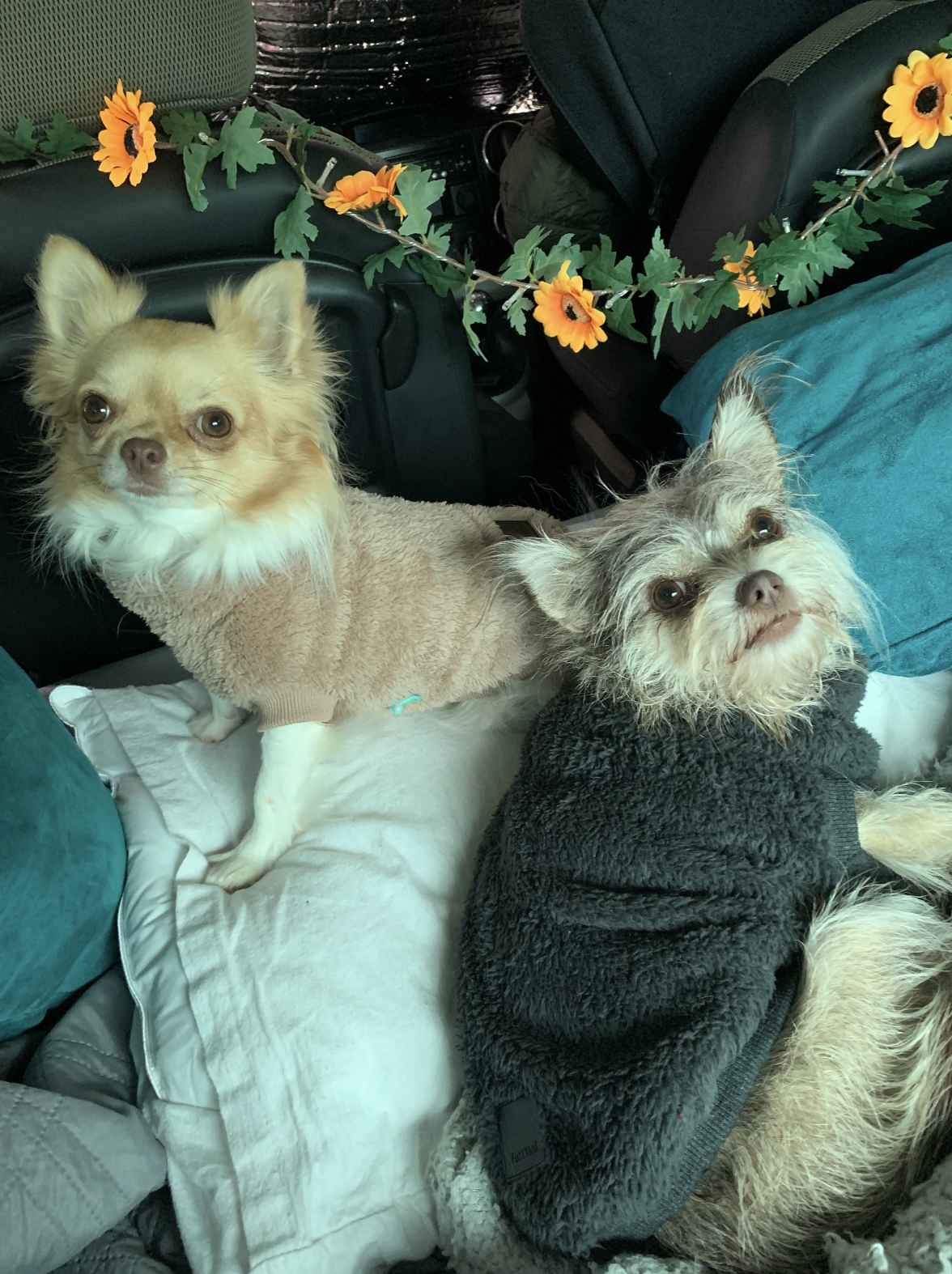
Darcie and Foxy, the loves of my life.
Creating opportunities for her nervous system to practise safety and recognising the moments when she could access ease they all add up. As will they for your dog too.
Both Matter
We need to hold both. The triggers and the glimmers. The moments of struggle and the moments of ease.
Focusing only on triggers means constantly managing threat. It's necessary, but it's incomplete.
Focusing only on glimmers without managing triggers would be irresponsible. You can't expose a dog to overwhelming situations and hope glimmers will appear. You can however encourage glimmers by knowing what your dog likes, then adding in some skill building through kind, positive training.
But holding both, managing triggers while noticing and cultivating glimmers, this is the fuller picture of supporting a struggling dog.
It means keeping your dog under threshold while also seeking moments of genuine ease. Creating safety through distance while also creating opportunities for connection, for curiosity, for peace.
It means being realistic about your dog's struggles while also noticing their capacity for something beyond those struggles.
It means seeing the whole dog. Not just the reactive one. Not just the anxious one. But the dog who also has moments of softness and curiosity and peace.
Remember also that pain and physical discomfort is a trigger, so we must watch out for that - especially with dogs who tend to overreact. Learn about pain as a driver of behaviour here.
Those moments are way more than just pauses between the hard times. They're the building blocks of recovery. They're glimpses of who your dog is when their nervous system isn't in crisis.
Watch for the glimmers, learn them and recreate the opportunity to experience them.
Because glimmers matter just as much as triggers, and the balance is the way to positive change.