How Your Dog Talks: Understanding Canine Communication
Your dog is communicating all the time.
They're telling you exactly how they feel.
Whether they're comfortable or stressed. Whether they consent to what's happening or want it to stop. Whether they understand what you're asking or they're confused. Whether they trust you or they're afraid.
The question is: are you listening?
Most of us weren't taught to read canine communication. We learned to interpret barking and tail wagging, but we missed the subtle, constant conversation our dogs are having with us through their bodies.
Let me show you what your dog is really saying, and why learning their language is one of the most important things you can do for your relationship.
Canine Communication: Scent Shapes and Movement
Dogs are not verbal and they communicate primarily through scent and body language - with us and our limited noses, they use body language.
Every part of their body is communicating something:
- Their ears
- Their eyes
- Their mouth
- Their tail
- Their posture
- Their weight distribution
- Their muscle tension
- Their breathing
And all of these work together to create a complete message.
A wagging tail doesn't always mean happy. Ears back doesn't always mean scared. You have to read the whole dog, the whole body, in context.
This is why so many people misread their dogs. They focus on one element (the tail is wagging!) and miss the rest of the message (but the body is tense, the ears are back, the eyes are hard, the mouth is closed). Learn more about your dog's emotions here.
The whole body tells the story.
Communication About Touch: Reading Consent
One of the most important areas of canine communication is how dogs signal their feelings about being touched.
Most people assume that if a dog doesn't move away, they're consenting to touch. But dogs have many ways of saying "I don't want this" that don't involve physically leaving.
Signs Your Dog Wants Touch
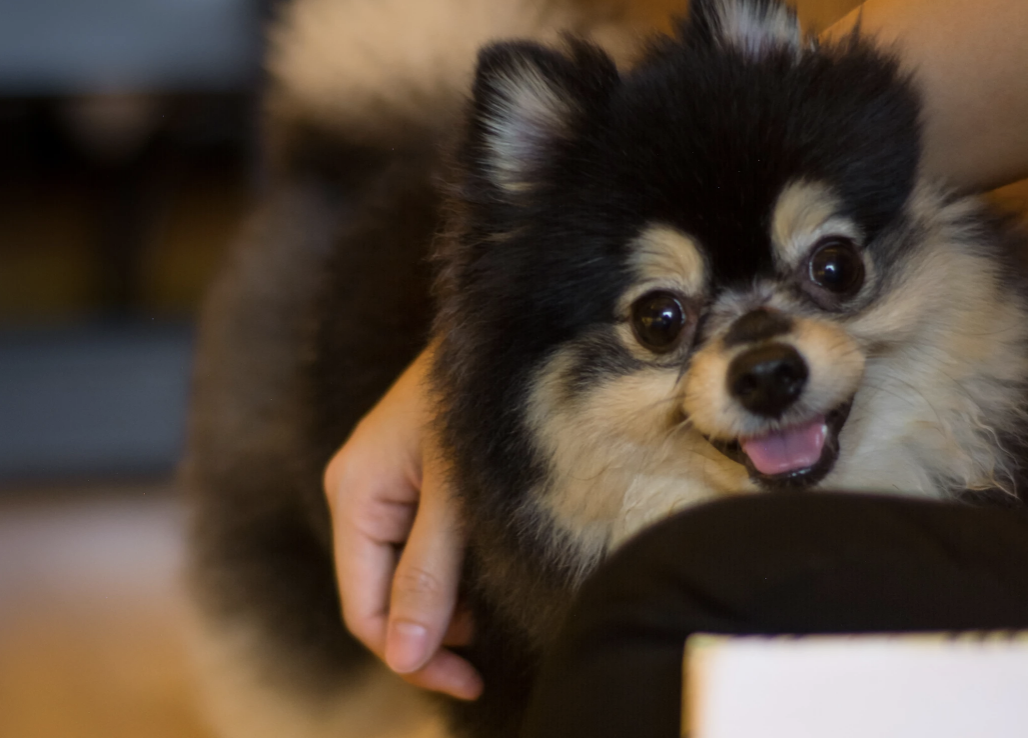
I'm ok with this
- Approach and lean in. They move toward your hand. They press their body into your touch. They're seeking contact.
- Soft, relaxed body. No tension. Their muscles are loose. Their breathing is normal.
- Continuation behaviours. When you stop touching them, they nudge your hand, lean in closer, or otherwise request that you continue.
- Soft eyes and relaxed mouth. Their face looks peaceful. Sometimes slightly squinty eyes (not wide or hard). Often a slightly open mouth with tongue visible.
- Tail position matches their personality. A naturally high-tailed dog holds their tail high but loose and wagging. A naturally low-tailed dog holds their tail in their neutral position.
These signals mean: "Yes, this feels good, please continue. "
Signs Your Dog Doesn't Want Touch
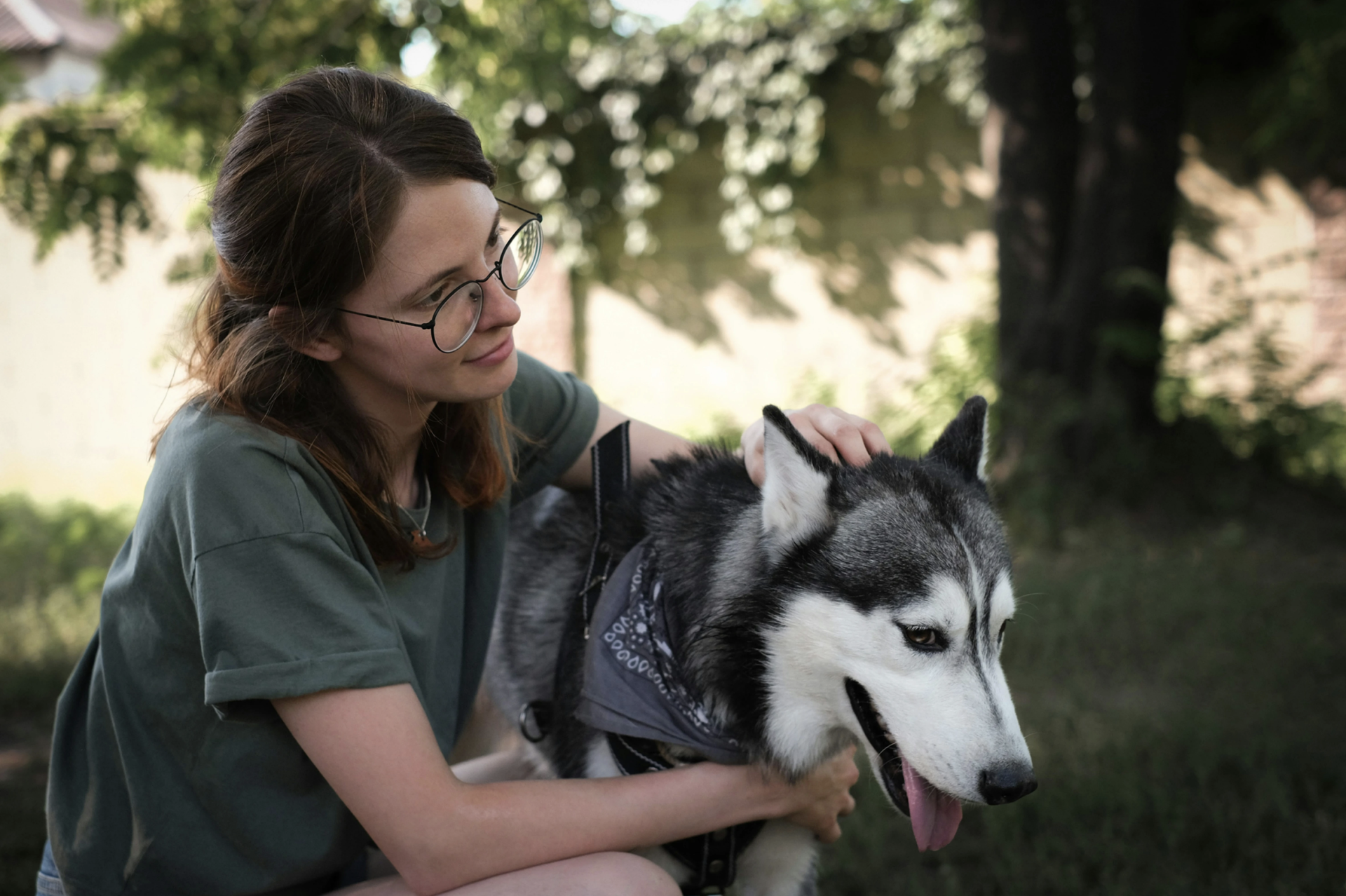
Please leave me alone.
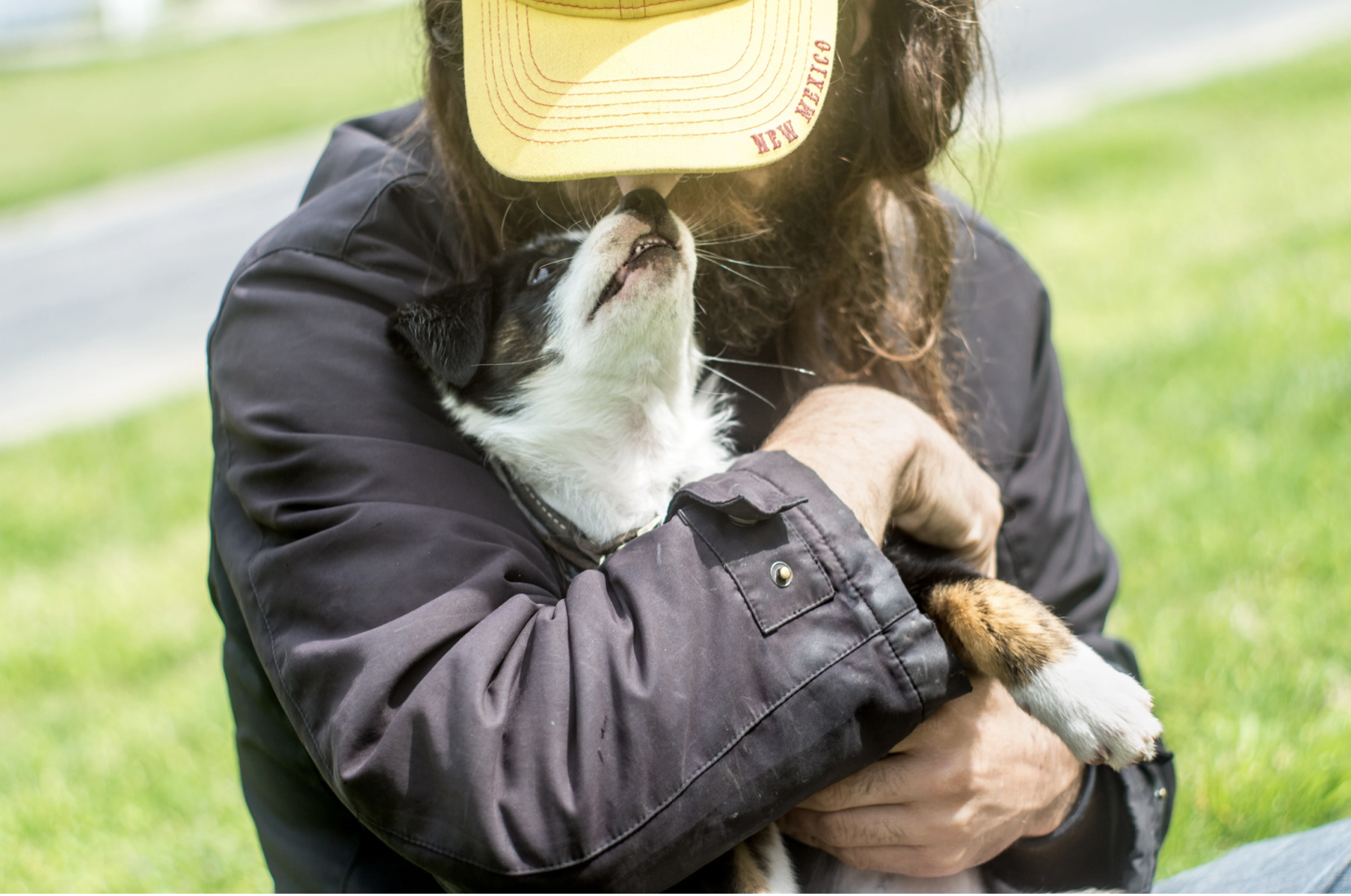
- Turn their head away. This is often the first, most polite signal. "I'd rather you didn't."
- Freeze. They go completely still. Their body tenses. They're tolerating, not enjoying.
- Lip lick. Quick tongue flick. This is a stress signal that often appears during unwanted touch.
- Whale eye. The whites of their eyes show. They're tracking you with their eyes while keeping their head turned away.
- Lean away. Their body weight shifts away from your hand even if they don't move their feet.
- Move away. The most obvious signal. If they leave, they're saying no.
- Close their mouth tightly. The mouth that was relaxed and slightly open is now closed, lips tight.
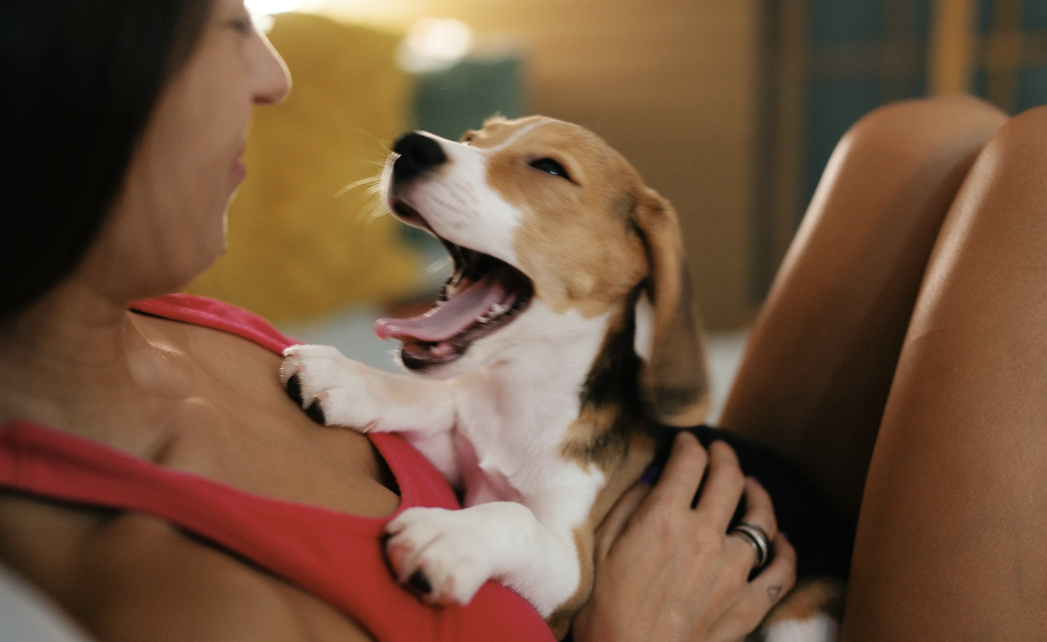
- Yawn. Stress yawning, not sleepy yawning. Often happens during handling or petting they're uncomfortable with.
- Shake off. Like they're shaking off water, but they're dry. This is a stress release behaviour that often follows unwanted touch.
These signals mean: "I don't want this. Please stop."
It's surprisingly difficult to find stock images of dogs who are enjoying being touched. Most dogs look uncomfortable on them.
The Consent Test
Here's how to know if your dog actually wants to be touched:
- Touch them briefly, then stop and remove your hand completely.
- Wait. Don't move toward them. Don't call them. Just wait.
What does your dog do?
- If they lean into you, nudge your hand, move closer, or otherwise request more touch: they're consenting. Continue.
- If they move away, turn their head, stay still, or show any of the stress signals listed above: they were tolerating it, not enjoying it. Don't continue.
This test reveals the difference between a dog who wants touch and a dog who's simply enduring it.
Stress Signals: When Your Dog Is Uncomfortable
Dogs have an entire vocabulary of stress signals. These are the ways they communicate "I'm uncomfortable" or "this is too much" long before they feel the need to escalate to growling or snapping.
Learning to recognise stress signals is crucial because it allows you to help your dog before they become overwhelmed or fearful.
The Subtle Stress Signals
- Lip licking. Quick tongue flick over the nose or lips. Not related to food. This is one of the most common stress signals.
- Yawning. When not tired. Often happens in tense situations, during training, or when someone approaches.
- Panting. When not hot or exercising. Stress panting has a different quality than heat panting, often more rapid and shallow.
- Sniffing the ground. Sudden interest in smelling the ground, particularly when it seems out of context. This is often a displacement behaviour.
- Scratching. When not itchy. Suddenly scratching themselves when nothing seems to have bitten them.
- Shaking off. Like shaking off water when they're dry. This is a stress release and reset behaviour.
- Blinking or squinting. Soft, slow blinks are often calming signals. Hard, rapid blinking can indicate stress.
- Turning head or body away. This is an avoidance signal. "I'd like to not engage with this."
- Freezing. Going completely still. This isn't calm. This is "I'm so uncomfortable I can't move."
- Low or tucked tail. Tail position below their neutral baseline indicates discomfort or fear.
- Ears back or to the side. Depending on ear type, but generally ears pulled back from their neutral position signal stress.
- Slow movement. Moving in slow motion, as if through water. This is often an attempt to de-escalate.
Curving body or walking in a curve. Rather than approaching directly, taking a curved path. This is polite, conflict-avoidance behaviour. These are all ways dogs say "I'm stressed" or "I'm trying to cope."
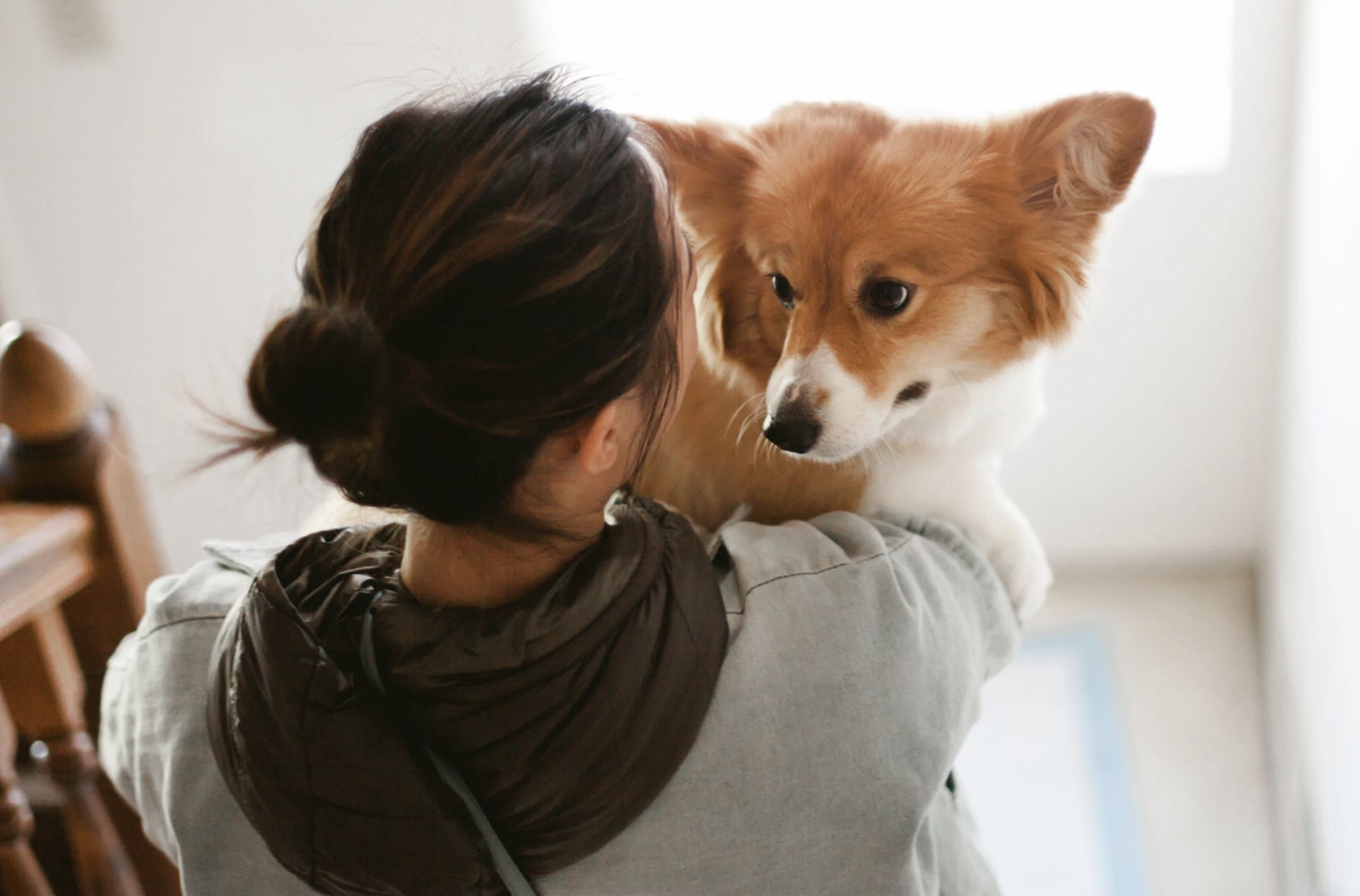
Why Stress Signals Matter
Many people don't recognise stress signals as communication. They think their dog is "just yawning" or "just licking their lips" or "being calm."
But these signals are your dog's early warning system.
They're telling you they're uncomfortable before they feel they need to escalate to more obvious behaviours like growling or snapping.
When you ignore stress signals, you teach your dog that polite communication doesn't work.
So they stop using the subtle signals. They go straight to the bigger ones. And then we call them "unpredictable" or "reactive" when really, they've been communicating all along. We just weren't listening. Learn more about living with a reactive dog here.
If you see stress signals, the appropriate response is to:
- Create more distance from whatever is causing stress
- Stop whatever you're doing (handling, training, etc.)
- Give your dog space and time to decompress
- Change the situation to reduce the stress
This teaches your dog that their communication works. That you listen. That they're safe with you.
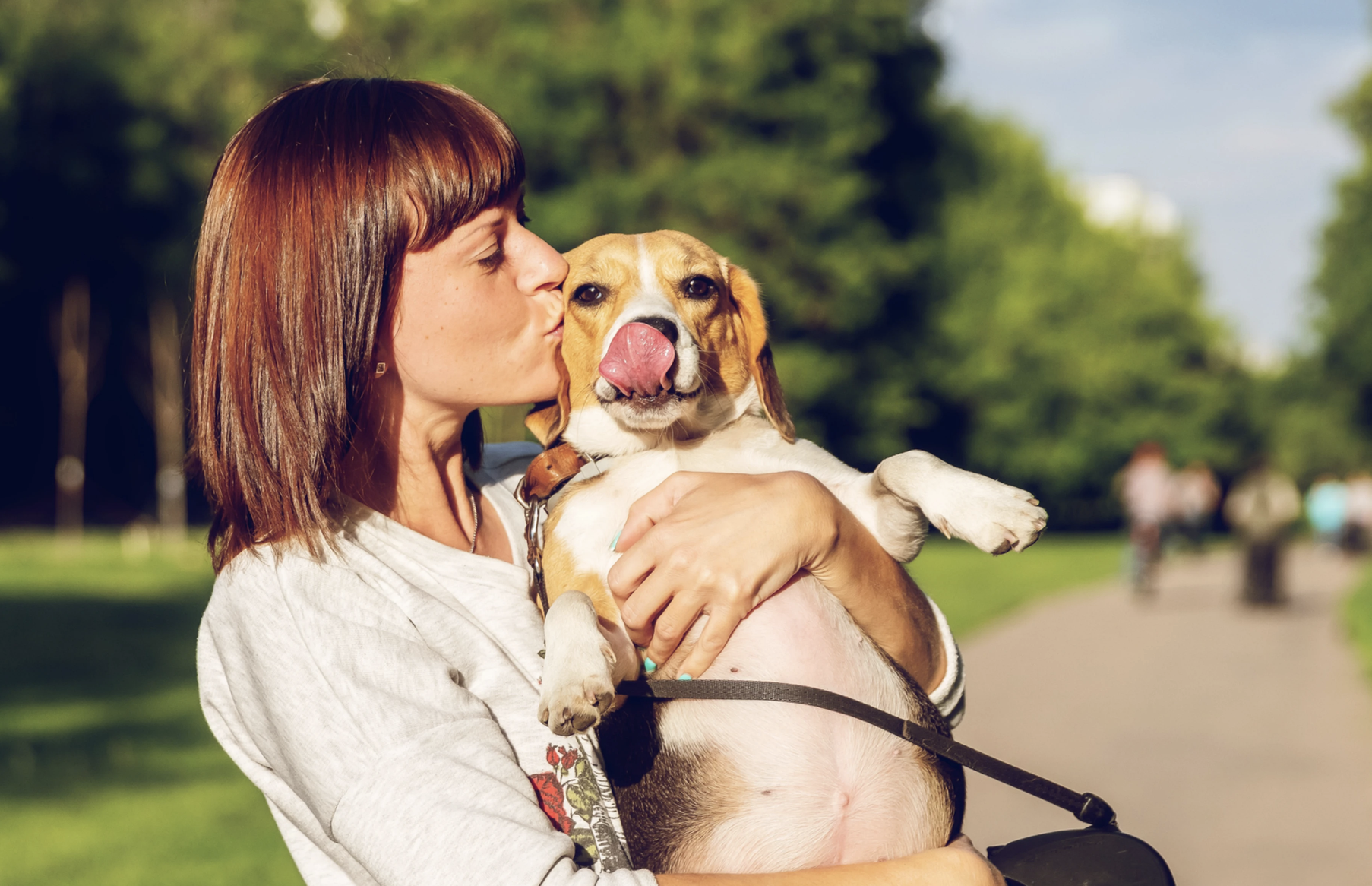
I'm not good with this.
Confusion Signals: When Your Dog Doesn't Understand
Dogs also have specific ways of communicating when they're confused or don't understand what you're asking.
This is particularly important during training, because confusion looks very different from defiance.
Signs Your Dog Is Confused
- Slow responses. They seem to process for a long time before responding, or respond slowly and tentatively.
- Offering different behaviours rapidly. Sit, down, paw, spin - trying everything to figure out what you want.
- Looking away or disengaging. Suddenly very interested in something else. This often happens when the task feels too hard.
- Stress signals during training. Lip licking, yawning, sniffing the ground. These indicate they're finding the training confusing or overwhelming.
- Stillness or freezing. Not moving at all. This can indicate they have no idea what you want and they're worried about getting it wrong.
- Decreased enthusiasm. A dog who was keen suddenly seems reluctant or slow. This often means the training has become too difficult.
- Appeasement behaviours. Low body posture, ears back, slow approach. These indicate they're worried they're doing something wrong.
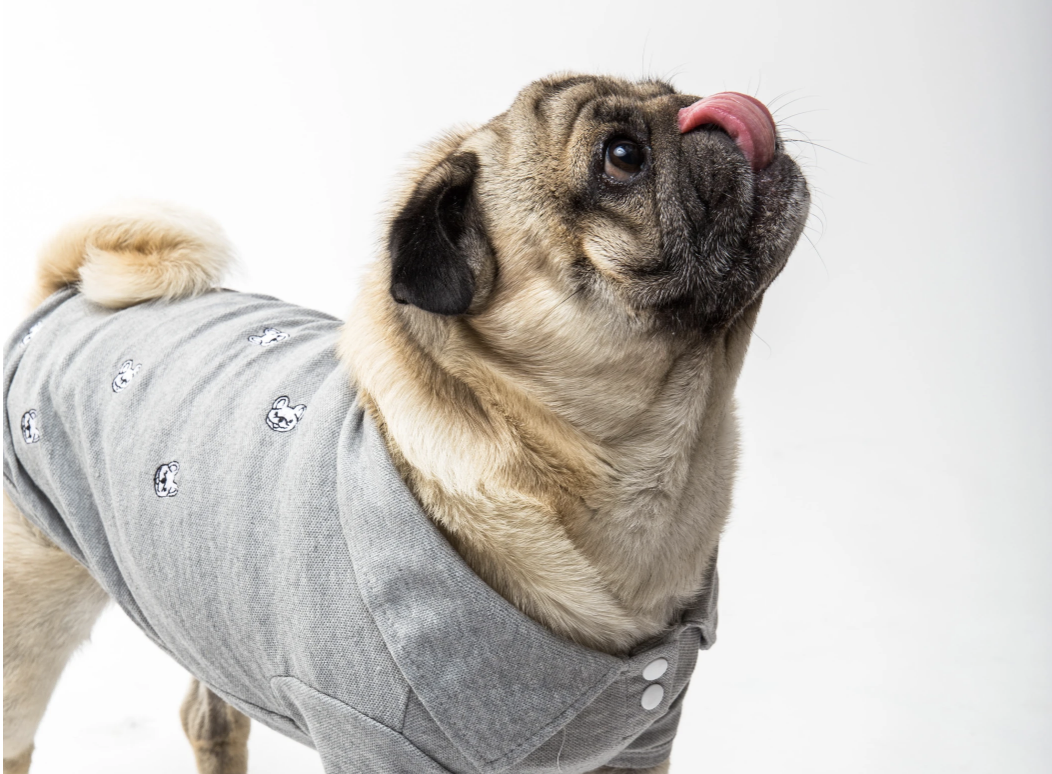
Not sure what you want or why you're looking at me like that.
This signal means I don"t understand what you want.
How to Respond to Confusion
When you see confusion signals, the solution is not to repeat the cue louder or more firmly.
- The solution is to make the task easier.
- Break it into smaller steps
- Go back to something they know and can do successfully
- Change your approach
- End the session and try again later
- Evaluate whether you've progressed too quickly
Confusion isn't defiance. A confused dog isn't being stubborn. They genuinely don't understand what you're asking, and they're often worried about getting it wrong.
Responding to confusion with patience and simplification builds confidence. Responding with frustration or pressure creates learned helplessness.
Calming Signals: How Dogs De-escalate
Dogs also use specific signals to try to calm situations and reduce tension. These are often called "calming signals", a term coined by Norwegian dog trainer Turid Rugaas.
Common Calming Signals
- Turning head or body away. "I'm not a threat. Let's de-escalate."
- Soft, slow blinking. "I'm calm. You can be calm too."
- Yawning. In tense situations, this can be a calming signal to others.
- Licking lips. Can be both a stress signal and a calming signal.
- Moving slowly. Deliberate, slow movements signal "I'm not threatening."
- Play bow. Can be an invitation to play, but also a signal that intentions are friendly.
- Sniffing the ground. "I'm busy over here, not engaging in conflict. "
- Sitting or lying down. Particularly if another dog is approaching. "I'm non-threatening. "
- Curving approach. Rather than head-on approach, which can be confrontational.
- These signals mean: "I'm trying to keep this peaceful. No conflict here."
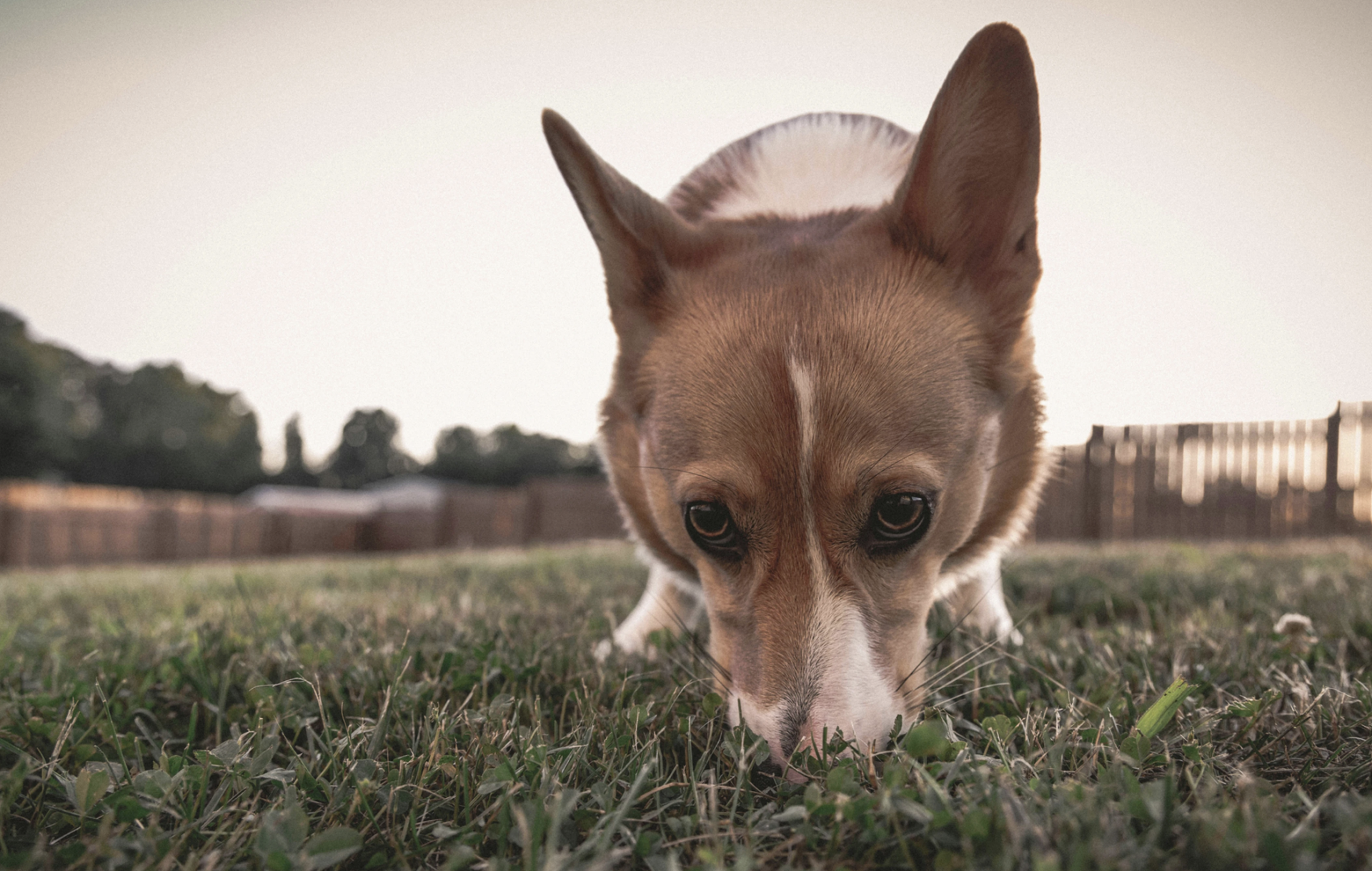
I'm sniffing here because I'm not sure about you or this situation.
Why This Matters
Dogs use calming signals with each other and with us. When your dog uses calming signals with you, they're trying to reduce tension or de-escalate what they perceive as conflict.
If you see your dog using calming signals during training or interaction, it means they're finding the situation stressful and are trying to manage it.
The appropriate response is to reduce pressure, create more space, or change what you're doing.
It's also really important to watch your dog's behaviour for how they are feeling physically, consider signs of pain and make sure you can recognise if your dog is unwell. You can learn more about that here.
Arousal and Excitement: Not Always Positive
Many people confuse high arousal with happiness. But arousal is a state of activation, and it can be positive or negative.
Signs of High Arousal
- Fast movements. Quick, jerky, or frantic rather than smooth.
- Hard eyes. Wide, staring, intense focus rather than soft gaze.
- Tense body. Muscles tight, body rigid rather than loose.
- Rapid panting. Fast, shallow breathing.
- High, stiff tail. Often wagging very fast in short, stiff movements rather than loose, full-body wags.
- Vocalisation. Barking, whining, or other sounds indicating activation.
- Inability to settle. Can't relax, constantly moving, can't focus.
- These signals mean: "I'm very activated right now."
But activated doesn't always mean happy.
A dog can be in high arousal from excitement, but also from stress, fear, or frustration. And high arousal means high emotional experience, something that can easily turn into a negative experience.
You have to read the context and the other body language to know which it is.
Arousal Can Tip Into Stress
Many dogs who seem "excited" are actually overstimulated and stressed. The arousal has tipped from manageable into overwhelming.
Signs this has happened:
When arousal becomes stress, the solution is to help your dog calm down, not to keep engaging with whatever is causing the arousal.
Signs this has happened:
- They can't take treats.
- They can't hear you or respond to cues they know well.
- They're frantic rather than joyful.
- They show stress signals alongside the arousal behaviours.
When arousal becomes stress, the solution is to help your dog calm down, not to keep engaging with whatever is causing the arousal.
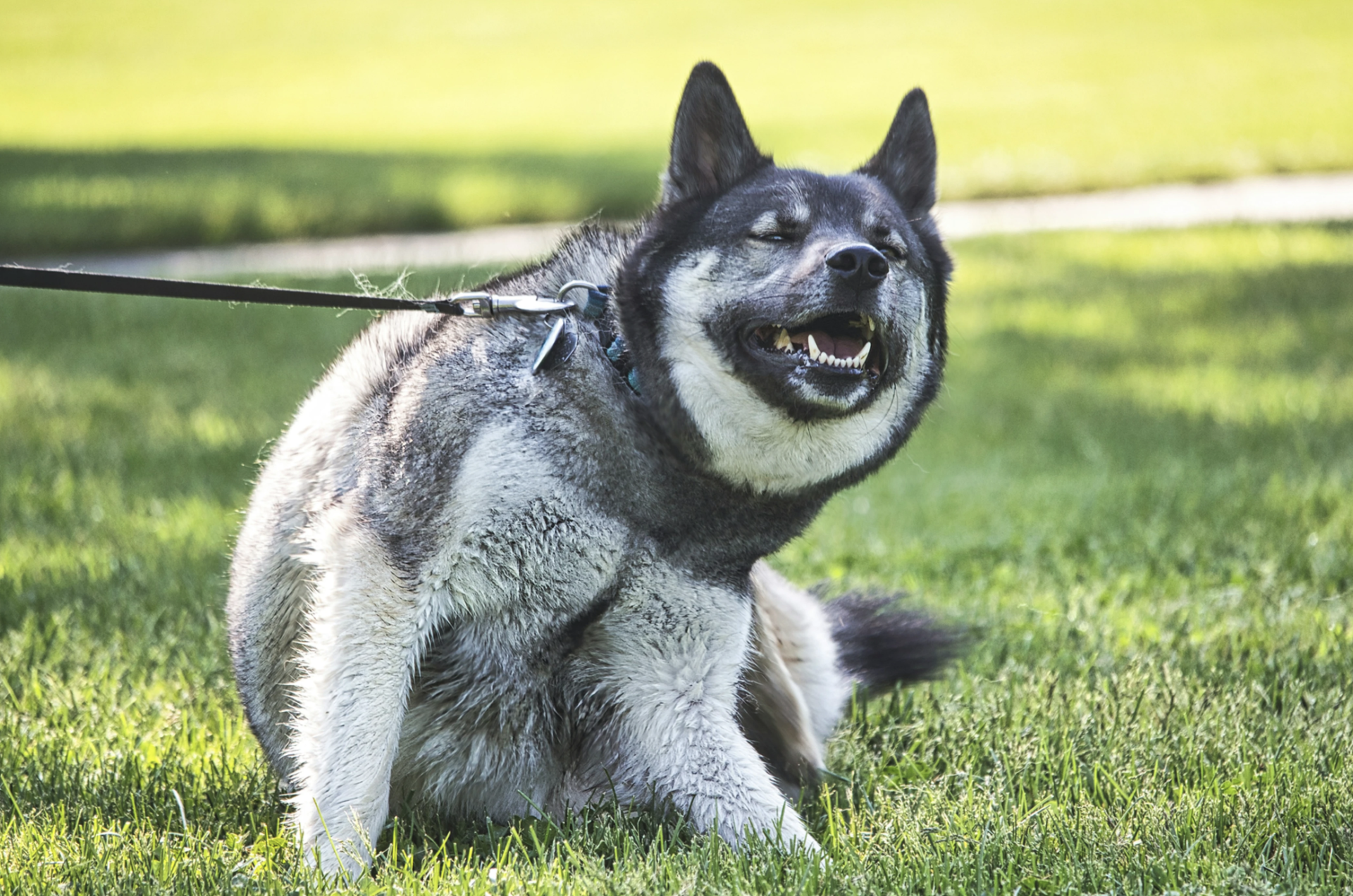
I'm scratching to change the subject because I'm unsure
The Whole Dog Conversation
Reading canine communication isn't about memorising individual signals. It's about learning to read the whole dog in context.
A tail wag with a tense body means something very different from a tail wag with a loose, wiggly body.
Ears back with a play bow means something different from ears back with a low, tense posture.
Context matters as does the whole body and the situation you're in.
What Changes Communication
The same behaviour can mean different things depending on:
- The context. A dog sniffing the ground on a walk is just exploring. A dog suddenly sniffing the ground when another dog approaches is using a calming signal or showing stress.
- The individual dog. Some dogs are naturally more demonstrative. Others are subtle. You need to know your dog's baseline.
- The breed. Some breeds (like many hounds) are naturally more independent and less demonstrative. Others (like many herding breeds) are more sensitive and expressive. Breed matters for understanding normal versus stressed.
- The relationship. Dogs communicate differently with people they trust versus strangers. With Darcie, a head turn away from me means something different than a head turn away from a stranger.
- Previous experiences. Dogs with trauma history may show different baselines than dogs without.
This is why knowing your individual dog is so important.
What Happens When We Don't Listen
When we consistently fail to read and respond to our dogs' communication,
several things happen:
- They escalate. If subtle signals don't work, they use bigger ones. The lip lick becomes a growl. The freeze becomes a snap. Not because they're aggressive, but because we didn't listen to the polite communication.
- They shut down. They learn that communication doesn't work, so they stop trying. They become passive, disconnected, resigned. This is learned helplessness.
- The relationship suffers. Dogs who aren't listened to don't trust their guardians to keep them safe or respect their needs.
- Behaviour problems develop. Reactivity, aggression, anxiety, and other issues often stem from dogs whose communication has been consistently ignored.
We miss important information. About their health, their emotional state, their needs, their comfort levels.
All of this is preventable by simply learning to listen.
All of this is preventable by simply learning to listen.
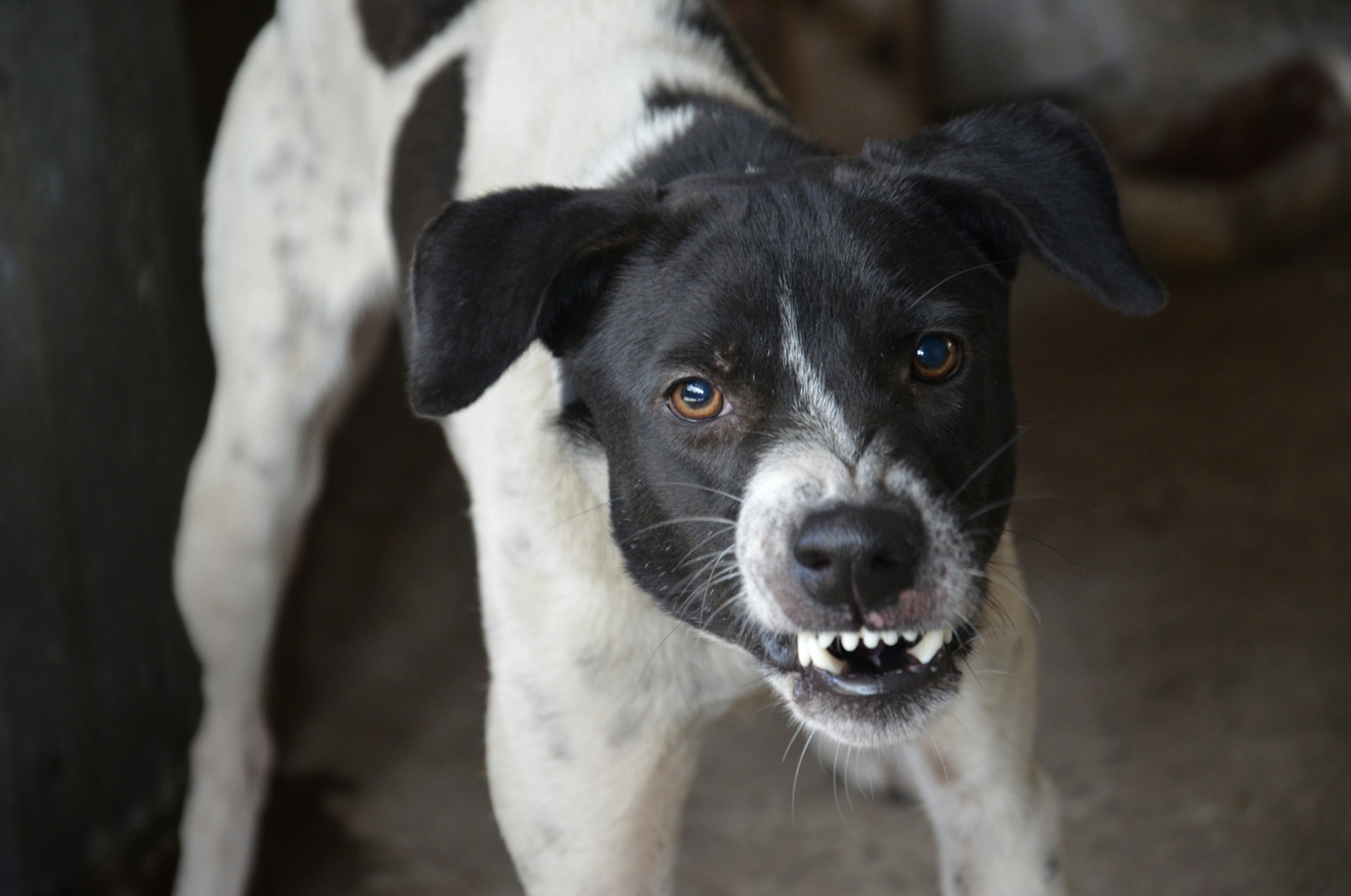
Why are you not listening to me?
Learning to Listen
Reading canine communication is a skill. Like any skill, it improves with practice. Start by watching your dog. Really watching. Not just glancing at them, but observing closely. What does their body do when they're relaxed? When they're excited? When they're uncomfortable?
- Watch their face. The eyes, the ears, the mouth, the tension in their cheeks and forehead. Faces tell so much.
- Watch their body. Posture, weight distribution, muscle tension, tail position, overall shape.
- Watch in different contexts. How do they look when greeting you? When meeting strangers? When another dog approaches? When you reach to pet them? During training? During vet visits?
- Learn your dog's baseline. What's normal for them when they're comfortable? This is your reference point for recognising changes.
- Practise consent tests. With petting, with play, with training. Offer, then pause and see if they request more. This teaches you to recognise genuine enthusiasm versus tolerance.
- Trust what you see. If their body is saying "I'm uncomfortable," believe it. Even if you think they "should" be fine. Even if other dogs are fine in this situation. Your dog is telling you how they feel.
What Listening Creates
When you learn to read and respond to your dog's communication your relationship gets better.
- They trust you more. Because you've proven you listen. You respect their boundaries. You help them when they're stressed.
- They communicate more clearly. Because communication works. They don't need to escalate because you respond to subtle signals.
- Your relationship deepens. You're having a two-way conversation rather than issuing commands and expecting compliance.
- Behaviour improves. Many "behaviour problems" are just communication problems. When you listen and respond appropriately, the problems often resolve.
- You understand them better. You know when they're tired versus stressed. When they're confused versus defiant. When they need space versus connection.
- You can advocate for them. In vet visits, training classes, interactions with other people. You know what they're saying, so you can speak for them when needed.
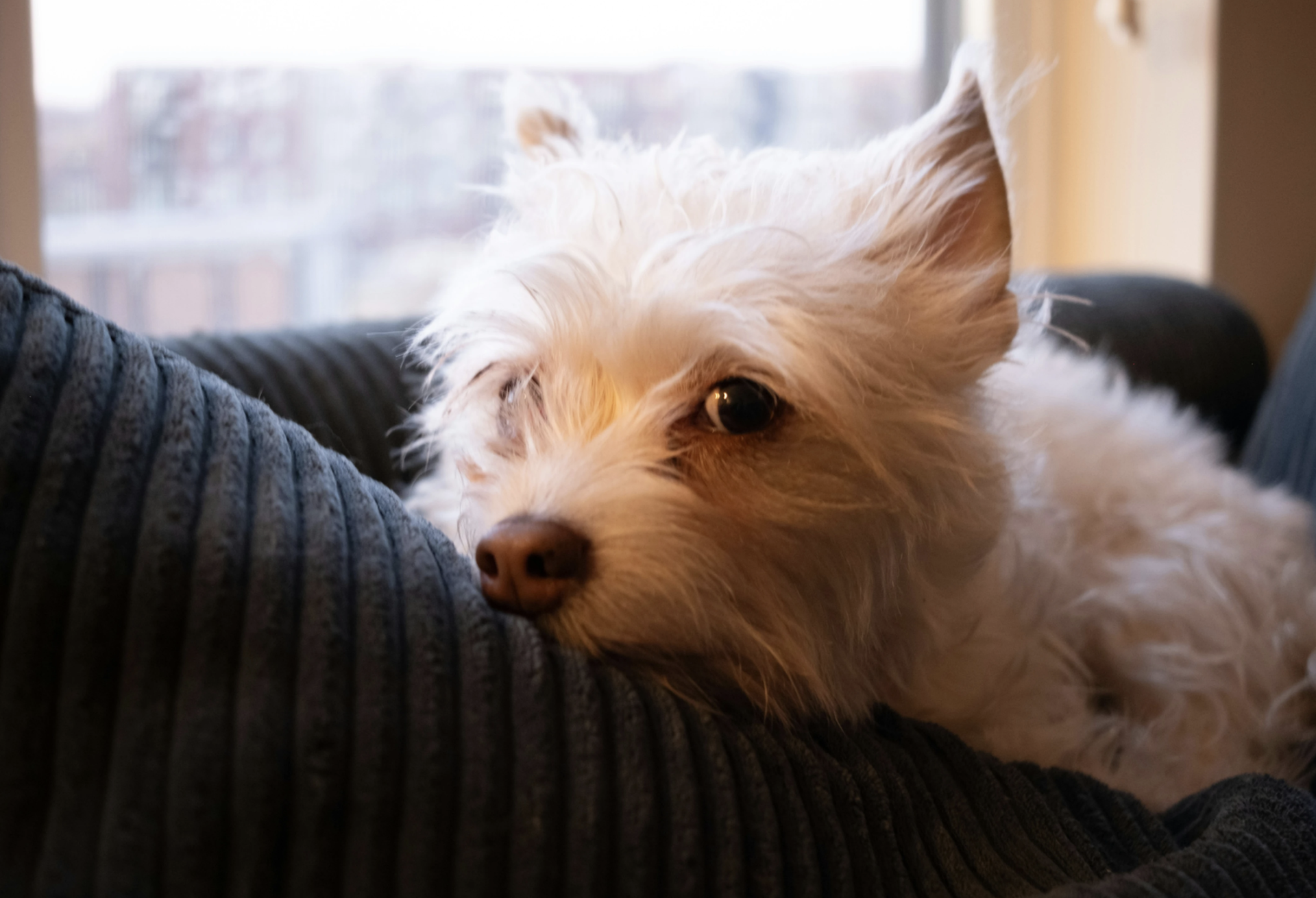
What am I thinking right now, am I safe?
Your Dog Is Always Talking
Right now, as you're reading this, if your dog is near you, they're communicating something.
They might be relaxed and content. Soft body, rhythmic breathing, loose muscles.
Maybe they're hopeful. Watching you with soft eyes, maybe a slight tail wag, body oriented toward you or maybe they're tired. Heavy-lidded eyes, deep breathing, body fully relaxed into whatever surface they're on.
Perhaps they're uncertain or waiting for something, their body slightly tense, ready to move if needed.
Whatever they're communicating, they're probably doing it clearly. In their language.
The question is whether we're listening. Whether we're paying attention. Whether we're learning their language rather than expecting them to learn ours.
Because the truth is, they already speak clearly. We're just learning to understand.
And when we do, when we really learn to read what they're saying, when we respond appropriately to their communication, we are truly honouring their needs.
Our relationship becomes deeper, understanding grows and we create something beautiful, a bond like no other.
Your dog is talking, if you listen, they will completely change your experience in this World.