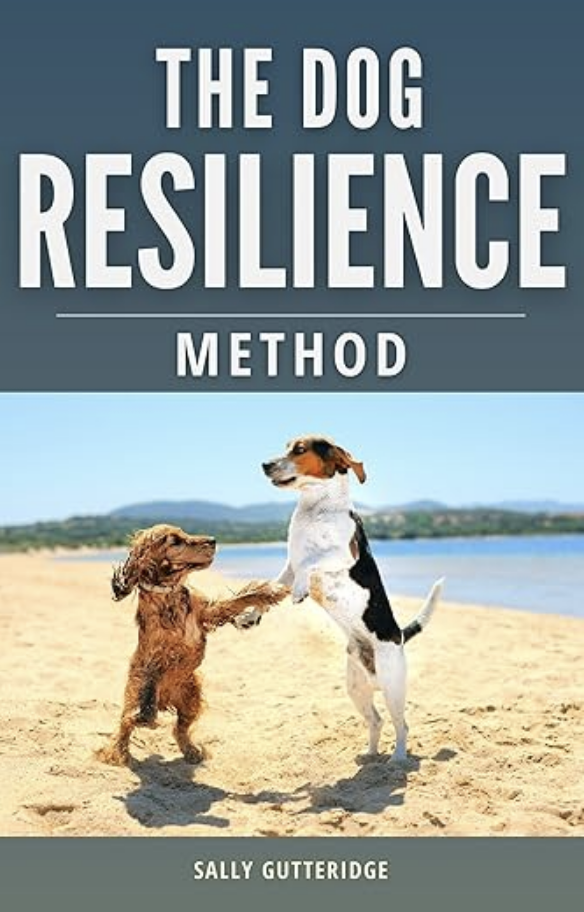
How the SEEKING System Shapes Happiness in Dogs
We talk a lot about meeting our dogs' needs.
Exercise. Nutrition. Safety. Veterinary care. All essential, obviously. But there's something deeper that dogs need. Something that sits at the foundation of their emotional wellbeing.
The ability to seek.
Not just to find things. Not just to search. But to engage their SEEKING system, the neural network that neuroscientist Jaak Panksepp identified as one of the primary emotional systems in all mammals.
This system for dogs is their primary sense and enhances their quality of life greatly.
What the SEEKING System Actually Is
Panksepp spent decades studying the emotional systems that drive mammalian behaviour. He identified seven primary systems: SEEKING, RAGE, FEAR, PANIC/GRIEF, CARE, PLAY, and LUST. The SEEKING system is the most fundamental.
It's the neural network that drives exploration, curiosity, investigation. It's associated with dopamine, anticipation, the motivation to engage with the environment. It's what makes us and our dogs want to get up in the morning, to investigate, to discover, to experience.
When the SEEKING system is active, life feels meaningful. When it's suppressed, everything goes flat.
Think about human depression. One of the defining features is anhedonia, the inability to feel pleasure or interest. Nothing seems worth doing. The world feels grey and empty.
That's what happens when the SEEKING system shuts down.
Dogs experience the same thing. A dog whose SEEKING system is chronically suppressed becomes listless. Uninterested. Going through the motions of life without actually engaging with it.
This isn't about physical health. You can have a perfectly healthy dog who's fed well, exercised adequately, kept safe, and still be profoundly unhappy because their SEEKING system has nothing to do.
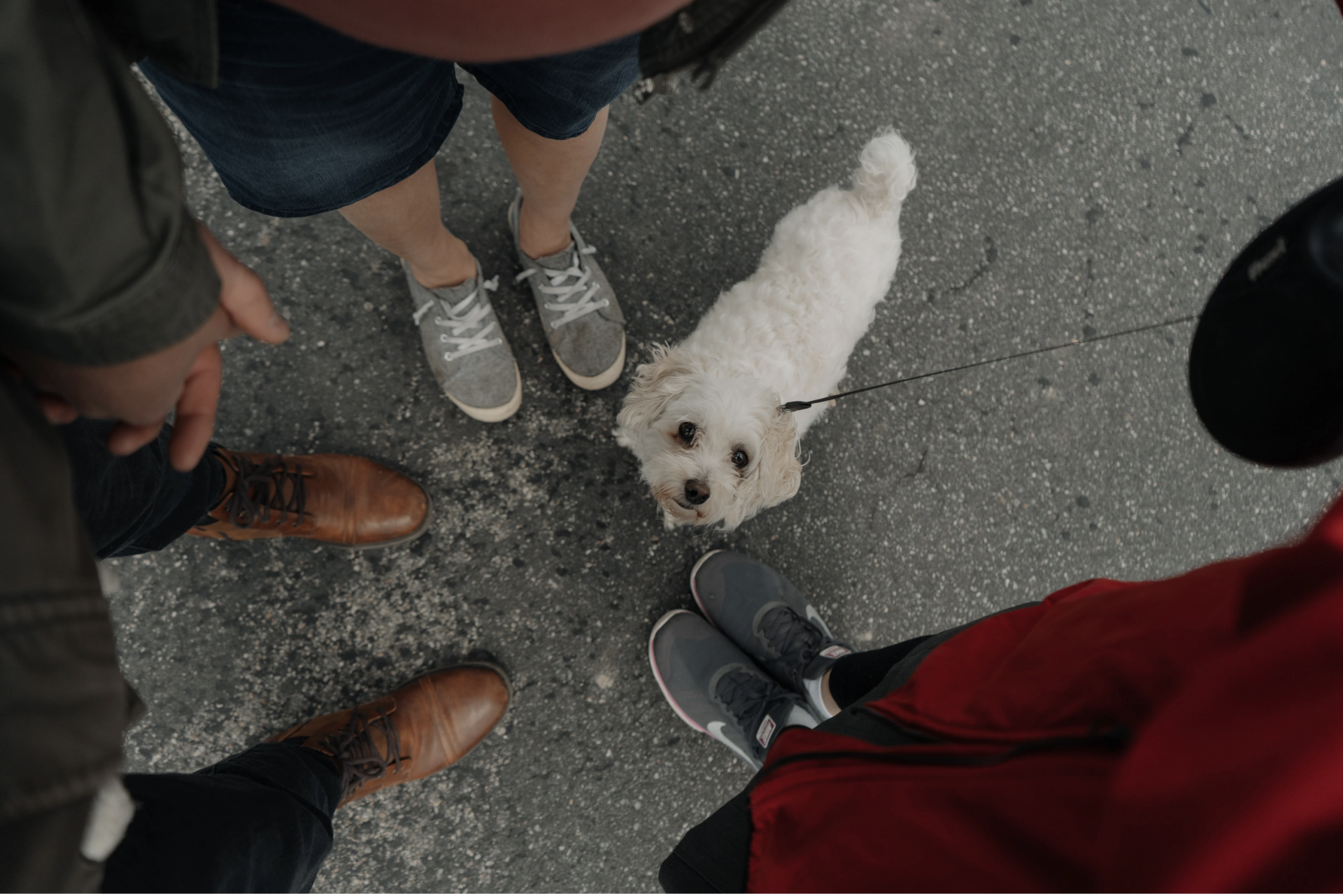
sometimes we forget about our dog's seeking system.
How Dogs Naturally Seek
Dogs are built to seek through scent.
Their primary sense is olfactory. They experience the world through smell in ways we can barely imagine. That incredible nose isn't just for finding food or identifying other dogs. It's their primary way of investigating, exploring, making sense of their environment.
When a dog puts their nose to the ground and starts sniffing, their SEEKING system lights up.
They're gathering information, following trails, discovering what's been here, what's happened, what's interesting.
This is deeply satisfying to them.
Not because they necessarily find anything. The seeking itself is the reward. The investigation. The engagement with scent information that tells them about theirworld.
Watch a dog on a walk who's allowed to sniff freely. Their body language is completely different from a dog being hurried along.
There's focus. Interest. Engagement. They're mentally and emotionally present in a way they're not when they're just being walked from point A to point B.
That's the SEEKING system at work.
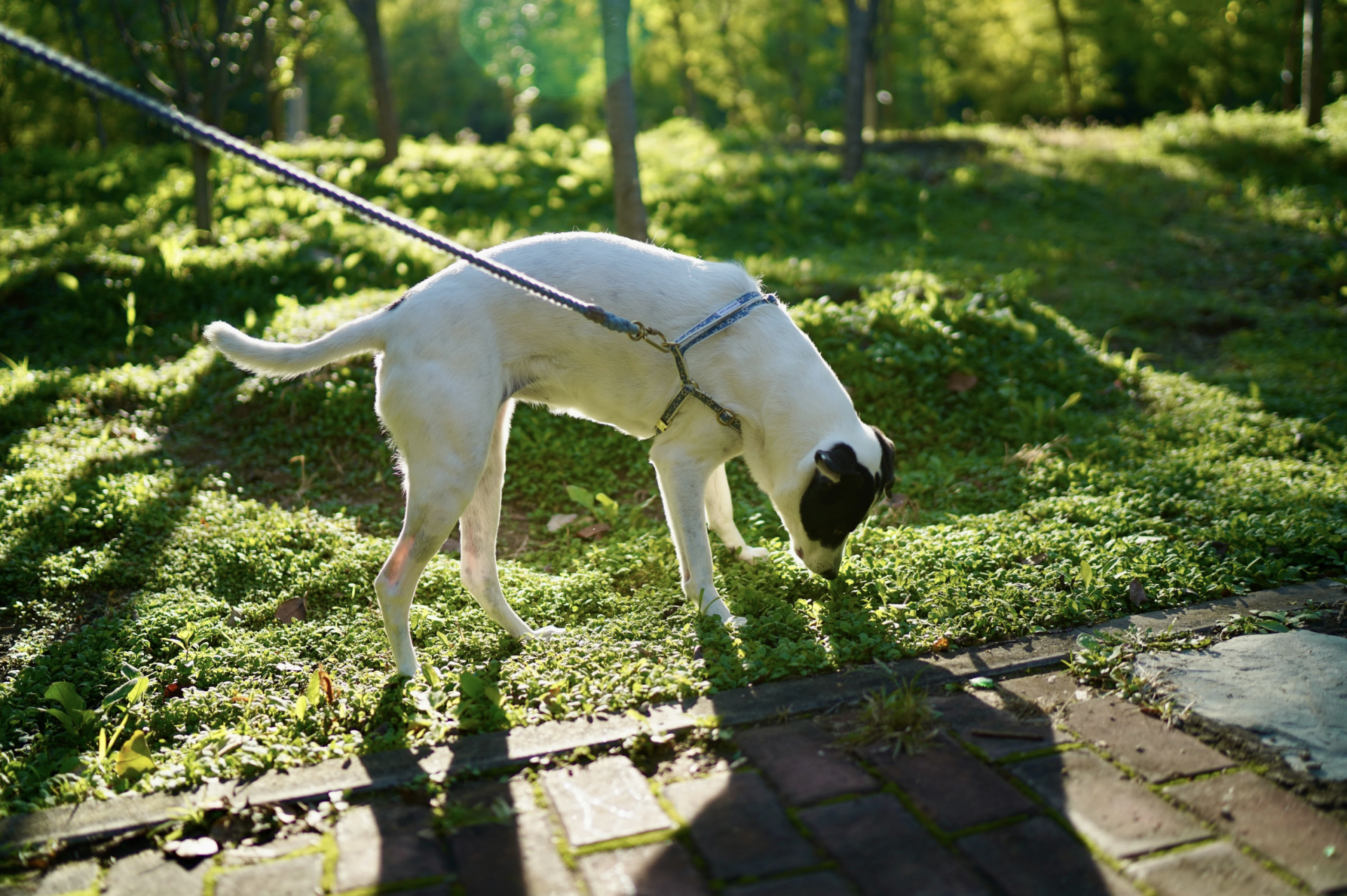
sniffing is important to dogs
What Happens When Dogs Can't Seek
Modern dog life often suppresses the SEEKING system without us realising it.
We walk dogs on short leads, hurrying them along because we're busy. We don't let them stop and sniff because we're trying to get exercise done. We keep them in environments with limited sensory input because our homes are clean and controlled.
We meet their survival needs. But we're starving their SEEKING system.
A dog who can't seek becomes a dog who's chronically understimulated. Their brain isn't getting what it needs. That incredible scent-processing ability has nothing to process. This often shows up as behaviour we label as problems.
The dog who destroys things when left alone might have a SEEKING system with nothing appropriate to engage with. The dog who's constantly restless and can't settle might be seeking stimulation their environment doesn't provide.
The dog who's reactive on walks might have so much pent-up seeking energy that it explodes when they finally encounter something stimulating.
We're not meeting a fundamental need. And then we're surprised when things go wrong.
The Link Between Seeking and Happiness
Here's what Panksepp's research showed us. The SEEKING system isn't just about survival. It's the foundation of positive emotional states.
When the SEEKING system is active and engaged, other positive emotions become accessible. Play. Joy. Interest. Contentment.
When the SEEKING system is suppressed, even if nothing else is wrong, an animal can't access those positive states. Life becomes about endurance rather than engagement.
This is why a dog can have everything they need for physical survival and still be unhappy.
They're fed. They're safe. They're healthy. But their SEEKING system has nothing meaningful to engage with. And without that engagement, genuine happiness isn't possible.
I see this particularly clearly with Darcie. She came to me so shut down, so overwhelmed by the world. One of the things that brought her back was giving her SEEKING system appropriate outlets.
Not through walks in overwhelming environments. Not through forced exposure to things that scared her. But through scentwork at home. Through scatter feeding. Through simple nose games that let her use her primary sense in safe, manageable ways.
Watching her SEEKING system come back online was like watching her come back to life.
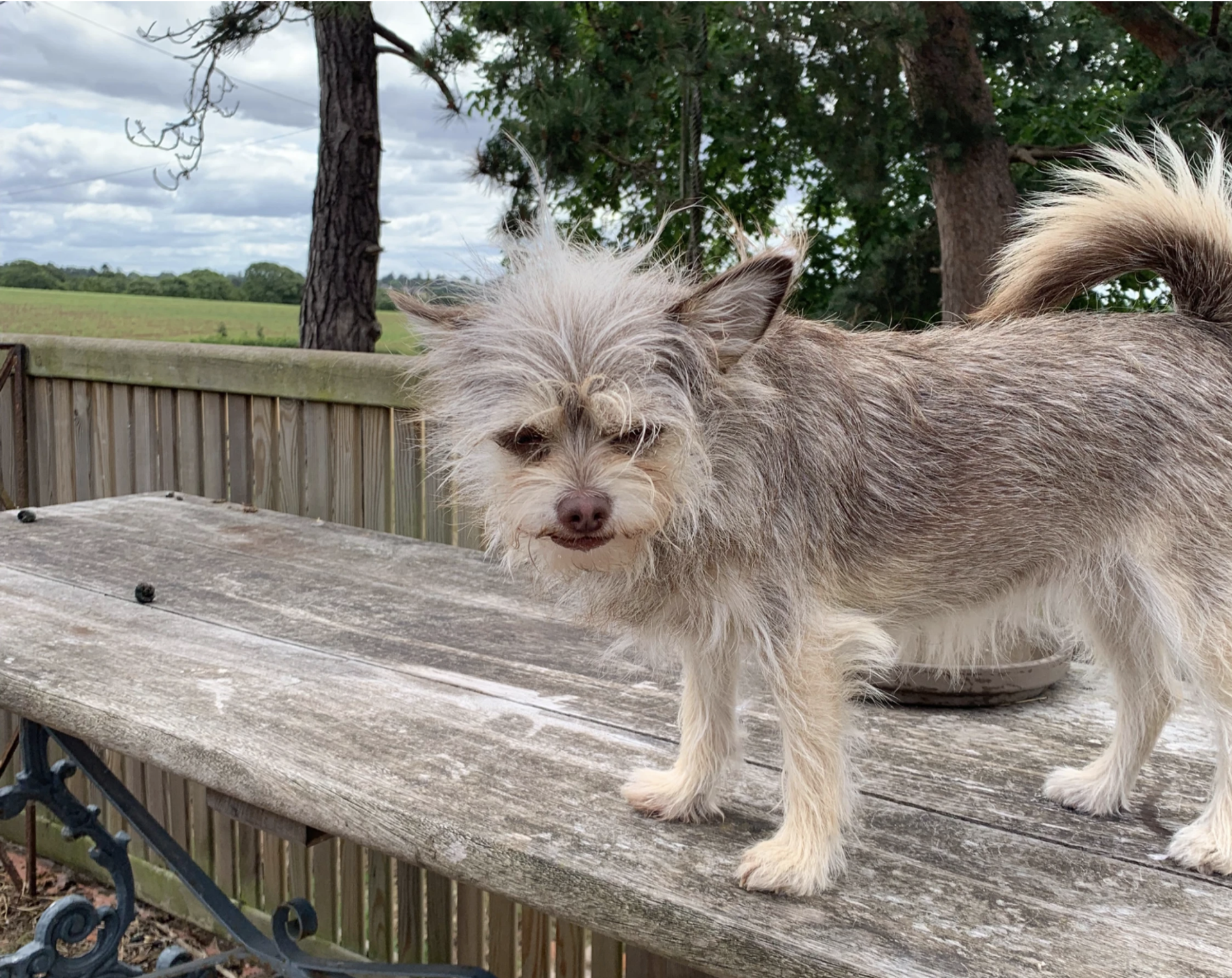
Darcie, the most beautiful girl in the world.
How We Activate the SEEKING System
The beautiful thing about the SEEKING system is how simple it is to activate. You don't need expensive equipment or complicated training. You just need to give your dog opportunities to use their nose.
Scatter feeding is the easiest starting point. Take their meal and scatter it across the floor or in the garden. Let them search and find. This isn't just feeding. This is SEEKING system activation.
Hide treats around the house. Not complicated hiding, just placing them in slightly challenging spots. Behind a cushion. Under a towel. In a cardboard box. Let your dog search and discover.
On walks, slow down. Let your dog sniff. Really sniff. Not a quick check and then move on, but proper investigation.
Those five minutes they spend processing scent information in one spot are doing more for their emotional wellbeing than the physical exercise of walking.
Use snuffle mats. Towel rolls. Puzzle feeders. Anything that requires them to use their nose to locate food.
These aren't just enrichment activities. These are SEEKING system engagement. Get more ideas here.
And the effects are immediate and profound. Watch a dog's body language during scentwork, they completely relax - to dogs scentwork is the opposite of a trigger, it's a glimmer. Learn more about glimmers here.
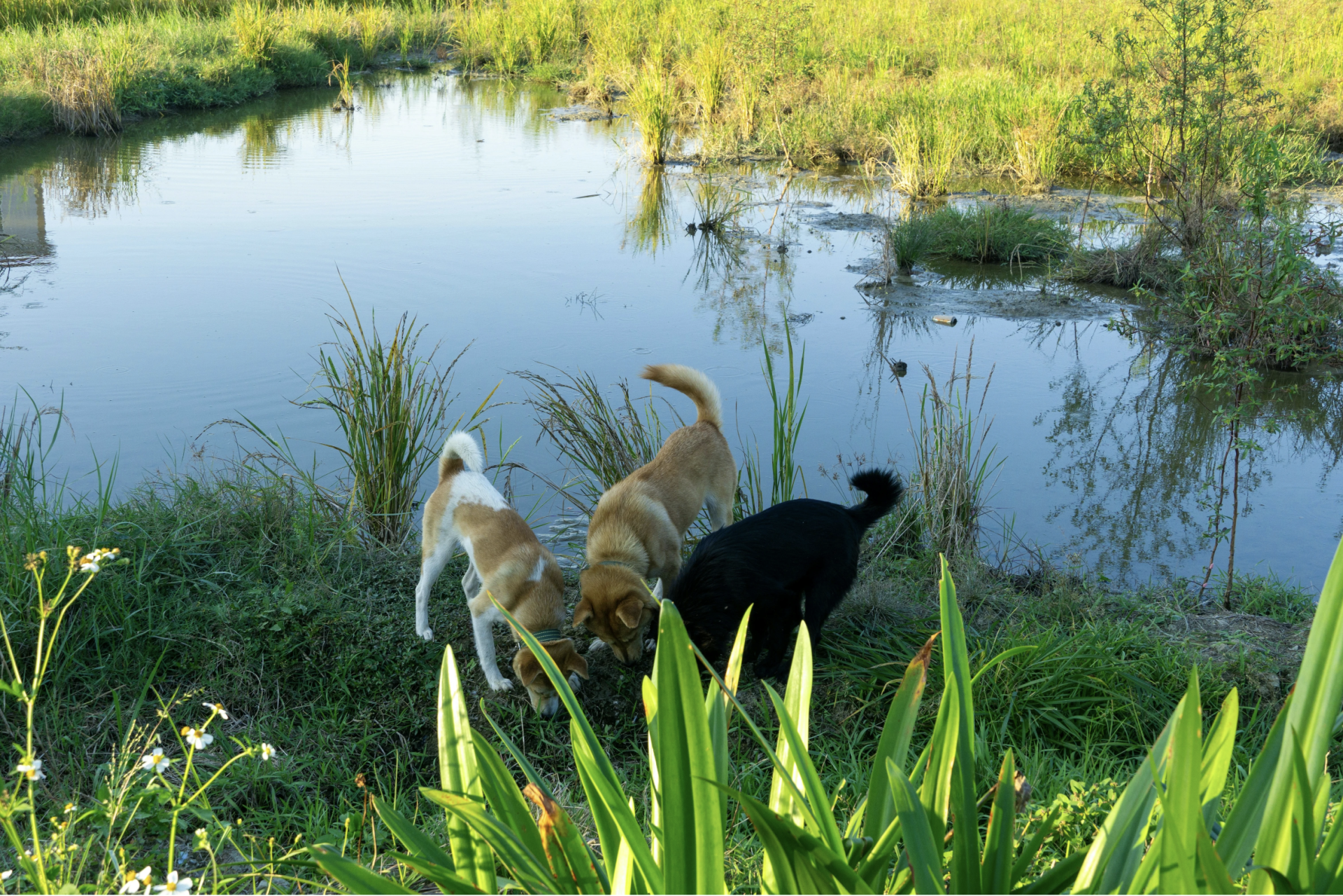
dogs thrive when they use their seeking system
Why This Matters for Reactive Dogs
The SEEKING system and the FEAR system are neurologically incompatible. When one is fully activated, the other is suppressed.
This is why scentwork is so powerful for reactive and anxious dogs. When their SEEKING system is engaged through scent investigation, their FEAR system can't dominate.
A dog who's sniffing deeply, following a scent trail, processing olfactory information, is a dog who's shifted out of threat mode. Their nervous system is doing something other than scanning for danger.
The Difference Between Seeking and Finding
Here's something important to understand. The SEEKING system is about the
process, not the outcome.
It's not about whether your dog finds the hidden treat. It's about the searching. The investigation and engagement.
In fact, making things too easy actually reduces SEEKING system activation. If treats are right there in plain sight, there's no seeking required. But if they require investigation, if your dog has to use their nose to locate them, the SEEKING system lights up.
The seeking is the reward. This is why scatter feeding is more satisfying to dogs than eating from a bowl. Same food. Same amount. But one engages the SEEKING system and one doesn't.
This is why walks where dogs can sniff freely are more emotionally nourishing than walks where they're hurried along, even if the hurried walk covers more distance.
The physical activity matters. But the SEEKING system engagement matters more for emotional wellbeing.
Daily Life Through a SEEKING Lens
When you understand the SEEKING system, you start seeing daily life differently. Every interaction with your dog is an opportunity to either engage or suppress this system. Feeding time. Do you put food in a bowl, or do you scatter it?
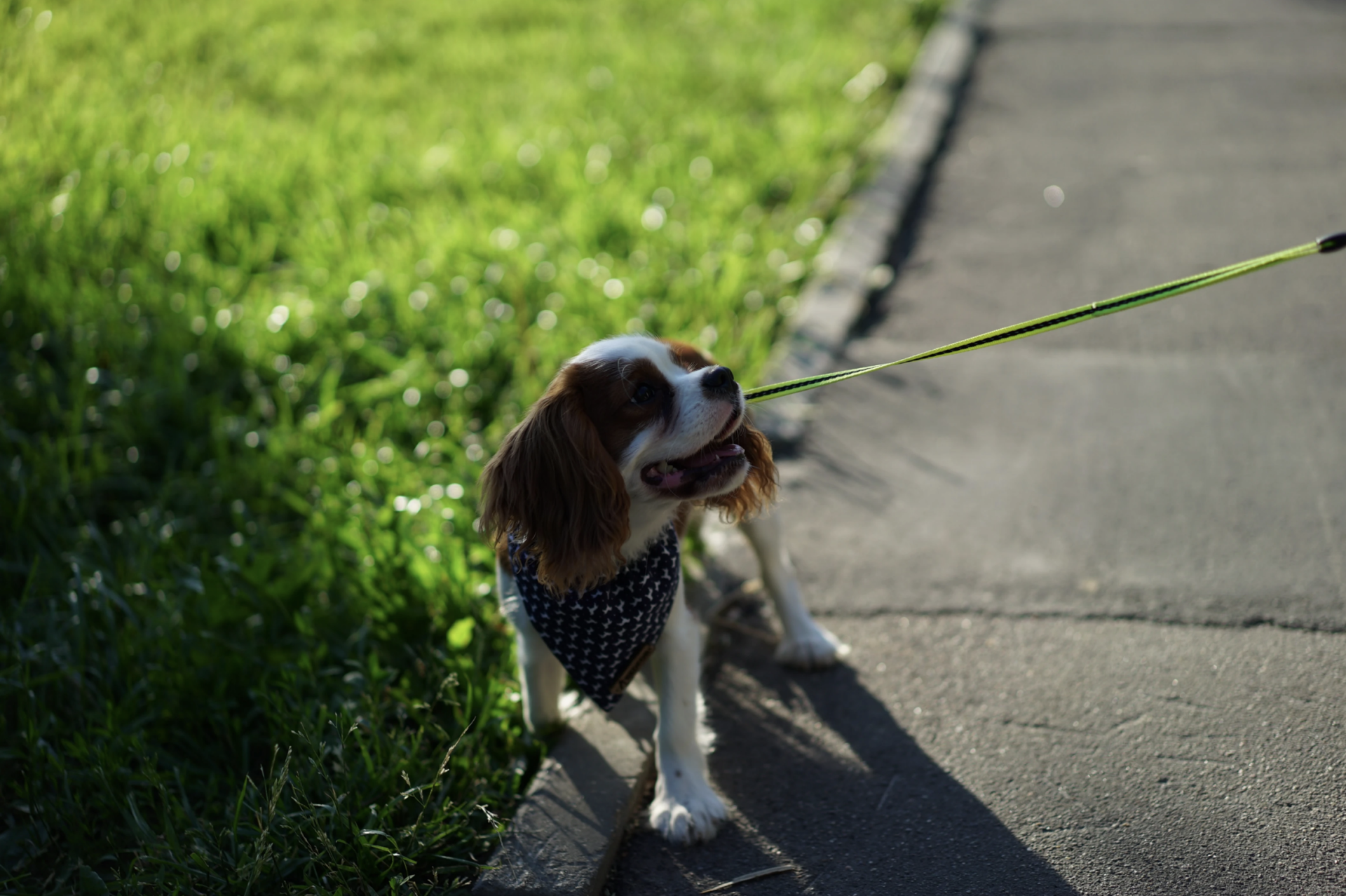
Sniffing on walks is a dog welfare need
Walk time. Do you hurry them along, or do you let them investigate?
Playtime. Do you control all the toys, or do you hide them for your dog to find?
Training time. Are you drilling behaviours, or are you setting up problems for your dog to solve?
When you're consistently engaging your dog's SEEKING system throughout the day, you're supporting their emotional wellbeing at the most fundamental level.
What Happiness Actually Looks Like
Happiness in dogs isn't just the absence of stress. It's not just being calm or quiet or well-behaved.
Happiness is engagement.
A happy dog is a dog whose SEEKING system is regularly activated. A dog who gets to investigate, explore, discover. A dog who experiences anticipation and satisfaction. A dog who has reasons to engage with their environment rather than just existing in it.
This is what I see in Foxy. She's tiny and bold and her SEEKING system is beautifully active. She investigates everything. She's curious. She's engaged. She experiences genuine joy not just because nothing bad is happening, but because she gets to seek.
This is what I watch developing in Darcie. As her confidence grows, as her nervous system settles, her SEEKING system becomes more accessible. She investigates more. She chooses to engage more. She's not just feeling safe. She's experiencing interest and curiosity and satisfaction.
This is what quality of life actually is. Not just the absence of fear but the presence of engagement.

the gift of sniffing
The Simplest Gift
Of all the things we can give our dogs, activating their SEEKING system might
be the simplest.
It doesn't require training expertise. It doesn't require expensive equipment. It
doesn't even require much time.
It just requires understanding that your dog needs to seek. That this isn't
optional or frivolous. That their emotional wellbeing depends on regular
SEEKING system engagement.
Scatter some food. Hide some treats. Let them sniff on walks. Set up simple
nose games.
Watch what happens.
Watch their body soften. Watch their breathing deepen. Watch them become
present and engaged rather than just existing.
Watch them experience something that looks a lot like happiness.
Watch them experience something that looks a lot like happiness.
Because that's what the SEEKING system gives them. Not just the ability to survive, but reasons to be interested in surviving. Not just existence, but engagement with existence.
And maybe that's the real measure of a good life, for dogs and for us. Not just making it through the day, but having reasons to be interested in the day. Having things to investigate and discover and engage with.
The SEEKING system is the neural foundation of that engagement. And we can support it or suppress it through the small choices we make every day about how we structure our dogs' lives.
Choose engagement. Choose seeking. Choose giving your dog's brain what it actually needs, not just what keeps them alive.
Because a dog whose SEEKING system is thriving isn't just surviving they are having an engaged and connected life.
Want to learn more? The following eBooks will help.