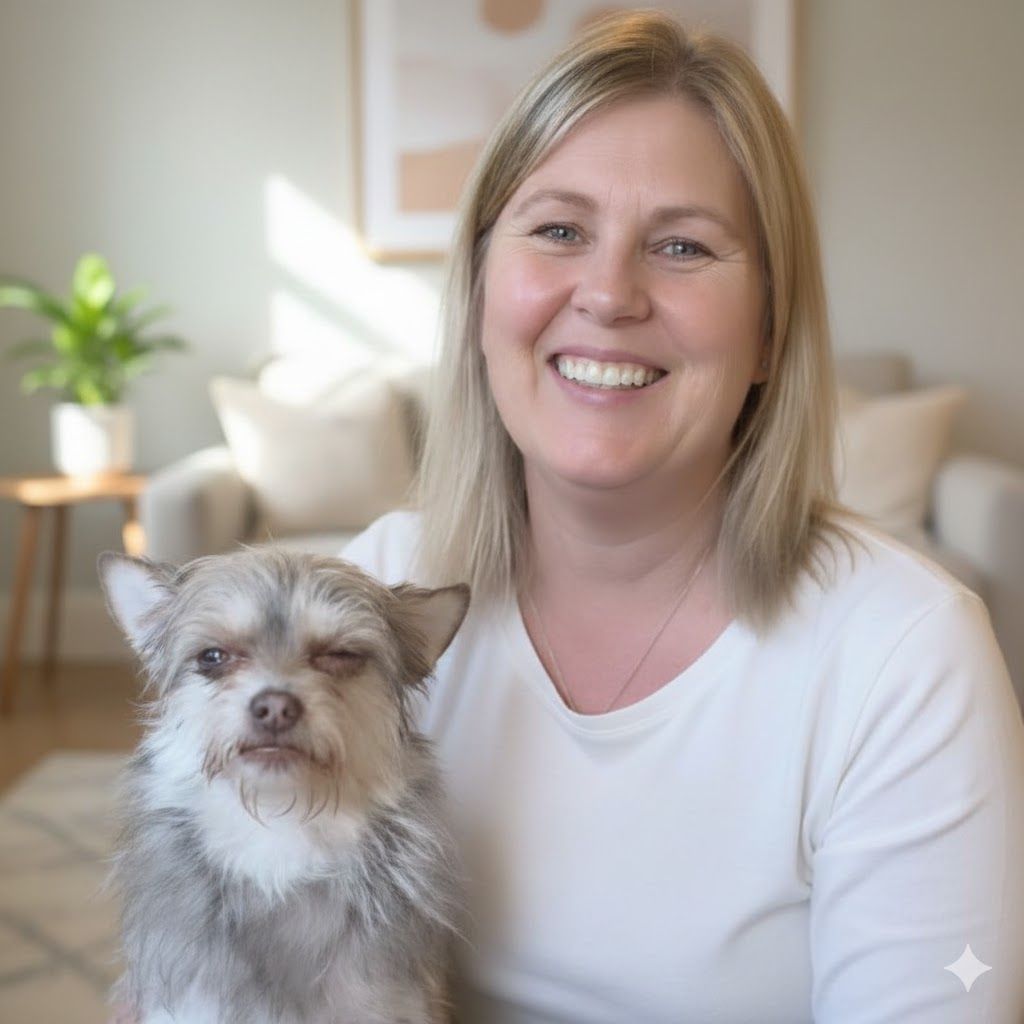
Understanding Canine Fear: The Nervous System, the Vagus Nerve, and the Space Dogs Need to Grow
When our dogs are worried it can be hard to know what to do for the best. Do we keep them away from scary things, with the risk of making their world ever smaller and their coping ability shrink? Do we take them into the world and expect them to cope with it?
The answer is yes and no to both, but it's simpler and more complicated than it might look.
To understand this better, let's take a closer look at the dog's nervous system.
The nervous system is the dog's, and our own, safety mechanism as well as survival system. It works perfectly to maintain overall balance and homeostasis for the body, and yet it can also become dysregulated and stuck, creating fear and anxiety where there need not be any, because there is no danger.
It's important to remember though, that if a dog is showing fear or anxiety, as far as they are aware, there is danger, and it's very real to them. Nothing about canine fear is performed or exaggerated. It's a genuine physiological state, and it deserves to be met as one.
The Role of the Vagus Nerve
The vagus nerve is central to this. It's the longest nerve in the body, running from the brainstem down through the chest and abdomen, and it's the main pathway of the parasympathetic nervous system, the "rest and digest" side that allows calm, connection, and recovery.
When the vagus nerve is functioning well, a dog can move fluidly between alert and relaxed states. They notice something new, assess it, and settle again. This is called vagal tone, and the better it is, the more resilient the dog. A dog with good vagal tone can hear a bang in the distance, lift their head, decide it isn't a threat, and go back to sleep within moments. Their heart rate rises and falls smoothly with the situation.
But when a dog has been repeatedly frightened, overwhelmed, or unable to escape a stressor, the nervous system can become dysregulated. The vagal brake doesn't apply as it should. Instead of noticing a trigger and settling afterwards, the dog gets stuck in sympathetic activation, the fight, flight, or freeze state, and struggles to come back down.
Over time this can lower the dog's overall threshold, meaning smaller and smaller things start to look dangerous. This is often what we're seeing in dogs labelled as reactive, fearful, or anxious. Their canine fear isn't a training problem to correct. It's a nervous system doing exactly what nervous systems do when they've learned the world isn't safe.
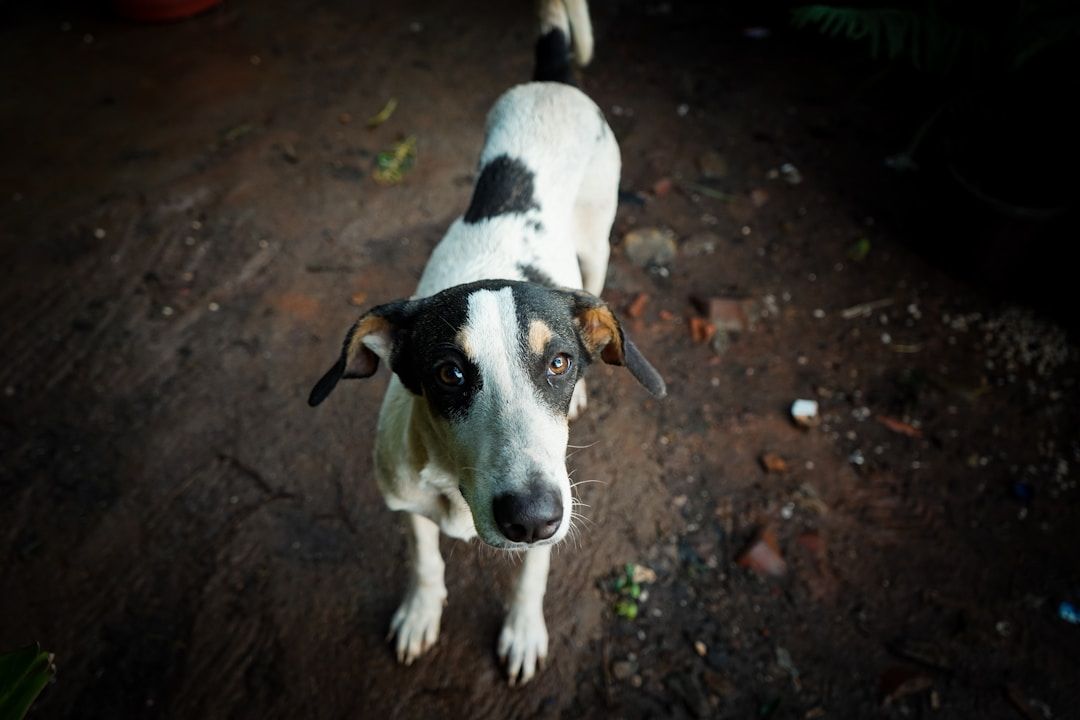
Recognising Dog Anxiety Before It Escalates
Dog anxiety doesn't always look dramatic. We tend to picture barking, lunging, or bolting, but the earliest signs are often much quieter, and they're easy to miss if we don't know what we're looking for.
Watch for:
- Lip licking or yawning outside of mealtimes and tiredness
- Whale eye, where the whites of the eyes become visible
- Stiffening, freezing, or a lowered body posture
- Panting when it isn't hot and the dog hasn't been exercising
- Turning the head away or avoiding eye contact
- Excessive sniffing used to avoid a situation rather than genuinely explore it
- Shaking off as though wet, when they're not
These are the nervous system's early warning signals. They happen before the bigger, more obvious behaviours, and they matter because they tell us the dog has noticed something and is already working to cope with it. Catching these moments gives us the chance to help before the dog tips further into activation.
Why There's No Simple Answer
This is why the question at the start of this post doesn't have a simple yes or no answer.
If we protect a dog from every worry, we don't give the nervous system any opportunity to practise moving through activation and back to calm. The world shrinks, and so does the dog's window of tolerance, the range within which they can experience a stressor and recover without tipping into full-blown dog anxiety. A dog who is never allowed to feel unsure never learns that feeling unsure is survivable.
If we push a dog into situations that overwhelm them, hoping they'll simply get used to it, we do the opposite. We confirm to their nervous system that the world is unpredictable and unsafe, and we can deepen the very dysregulation we're trying to resolve. Flooding rarely builds confidence. It usually builds more fear, even when it looks quiet on the outside. A dog who has shut down isn't calm. They've simply run out of ways to tell us they're struggling.
The Window of Tolerance
It helps to picture a window. Inside it, a dog can experience stress, notice something new, feel a flicker of uncertainty, and still think, choose, and recover. This is the window of tolerance, and it's different for every dog, shaped by genetics, early experience, health, and history.
Below the window, a dog is under-stimulated and disengaged. Above it, they tip into fight, flight, freeze, or shutdown, and in that state they aren't learning anything useful. They're surviving.
The aim of any thoughtful support isn't to eliminate stress altogether. A life with no stress at all isn't realistic, and it isn't necessary. The aim is to help a dog spend more time inside their window, and to gently, gradually widen it, so that things which used to overwhelm them no longer do.
Opportunity Without Overwhelm
What dogs need instead is opportunity without overwhelm. Small, manageable exposures that sit near the edge of a dog's coping window, not beyond it. Enough challenge for the nervous system to practise regulating itself, and enough support that it doesn't tip into shutdown or panic.
This is where growth actually happens. Not in comfort, and not in flooding, but in the manageable middle ground where a dog can notice something new, feel a little unsure, and come back to safety with our help.
In practice, this might look like:
- Choosing distance carefully, so a trigger is visible but not overwhelming, and increasing proximity only in small, dog-led steps
- Watching for the early warning signs above and moving away before the dog tips over threshold, rather than waiting until they react. Learn canine communication here.
- Allowing recovery time after any stressful event. A dog's cortisol can stay raised for well over a day after a significant fright, which means the next outing may need to be quieter than usual
- Building predictable routines and safe spaces at home, so the nervous system has reliable places to settle
- Letting the dog choose whether to approach something new, rather than leading them towards it
- Pairing new or worrying things with something the dog already finds safe and enjoyable, so new associations can form gradually
None of this is about avoidance, and none of it is about forcing progress. It's about titration, offering just enough for the nervous system to stretch and adapt, without asking them to cope with more than they currently can. And things will happen that we can't control. The 'friendly' off lead dog or another trigger that comes out of nowhere, and your dog will likely react but watch how quickly they recover, that's the real key to positive change, recovery time.
You can help your dog to recover too, here are a couple of blog posts to help you with that. Scentwork and recovery from reactions.
You can help your dog to recover too, here are a couple of blog posts to help you with that. Scentwork and recovery from reactions.
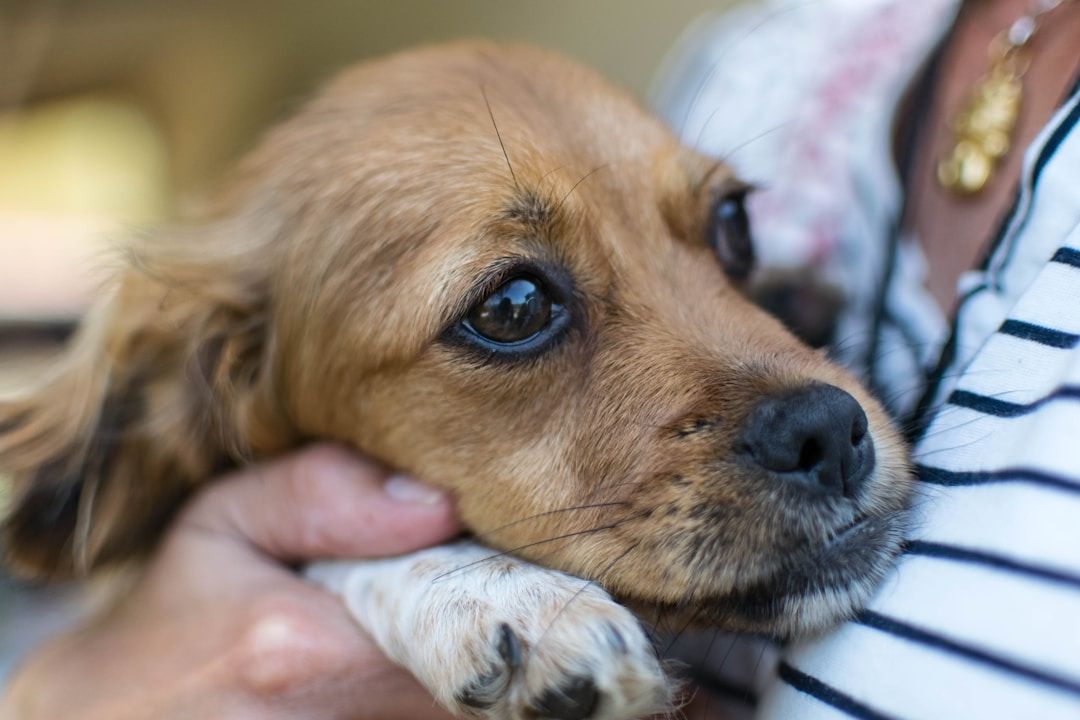
The Guardian's Role: Co-Regulation
Dogs don't regulate their nervous systems in isolation. They regulate them in relationship with us. This is called co-regulation, and it means our own state matters more than we might think.
A dog who is uncertain will often look to their guardian for information about whether a situation is safe. If we're tense, holding our breath, or bracing for a reaction, the dog often picks up on that and it can confirm their own worry. If we can stay calm, breathe steadily, and move without urgency, we offer the dog's nervous system a different signal, one that says this can be managed.
This isn't about suppressing our own feelings or pretending nothing is wrong. It's about recognising that our physiology and our dog's physiology are in conversation with each other, and that steadiness on our part genuinely helps. Learn more about the bond we share in this blog post.
When to Seek Further Support
Some dogs need more than time, patience, and thoughtful management. If a dog's fear or anxiety is significant, worsening, or affecting their quality of life, it's worth working with a qualified, trauma-informed behaviourist who can build an individual plan, and involving a vet to rule out or address any underlying pain or health issues that might be contributing.
Pain and fear are closely linked, and an increase in reactivity or worry can sometimes be the first sign that something physical needs attention.
Pain and fear are closely linked, and an increase in reactivity or worry can sometimes be the first sign that something physical needs attention.
There's no failure in asking for support. A dog whose nervous system has been stuck in survival mode for a long time deserves informed, patient help, not a guardian struggling alone with methods that were never designed for the level of dysregulation involved.
Given time, patience, and the right kind of support, this is how we help a dog's nervous system learn what it couldn't learn before, that the world can be navigated, that recovery is possible, and that fear doesn't have to be the final word.
Given time, patience, and the right kind of support, this is how we help a dog's nervous system learn what it couldn't learn before, that the world can be navigated, that recovery is possible, and that fear doesn't have to be the final word.
Growth doesn't come from comfort alone, and it doesn't come from overwhelm. It comes from the quiet, manageable middle ground, built one small, well-supported moment at a time.
If your dog is very sensitive to learning, they might be pressure sensitive, like my own dog Darcie. Without knowing this dogs can look unwilling or like they are ignoring us, it's not the case though - they are simply not coping. I created a mini course especially for our little delicate ones, you can see that here.
If your dog is very sensitive to learning, they might be pressure sensitive, like my own dog Darcie. Without knowing this dogs can look unwilling or like they are ignoring us, it's not the case though - they are simply not coping. I created a mini course especially for our little delicate ones, you can see that here.